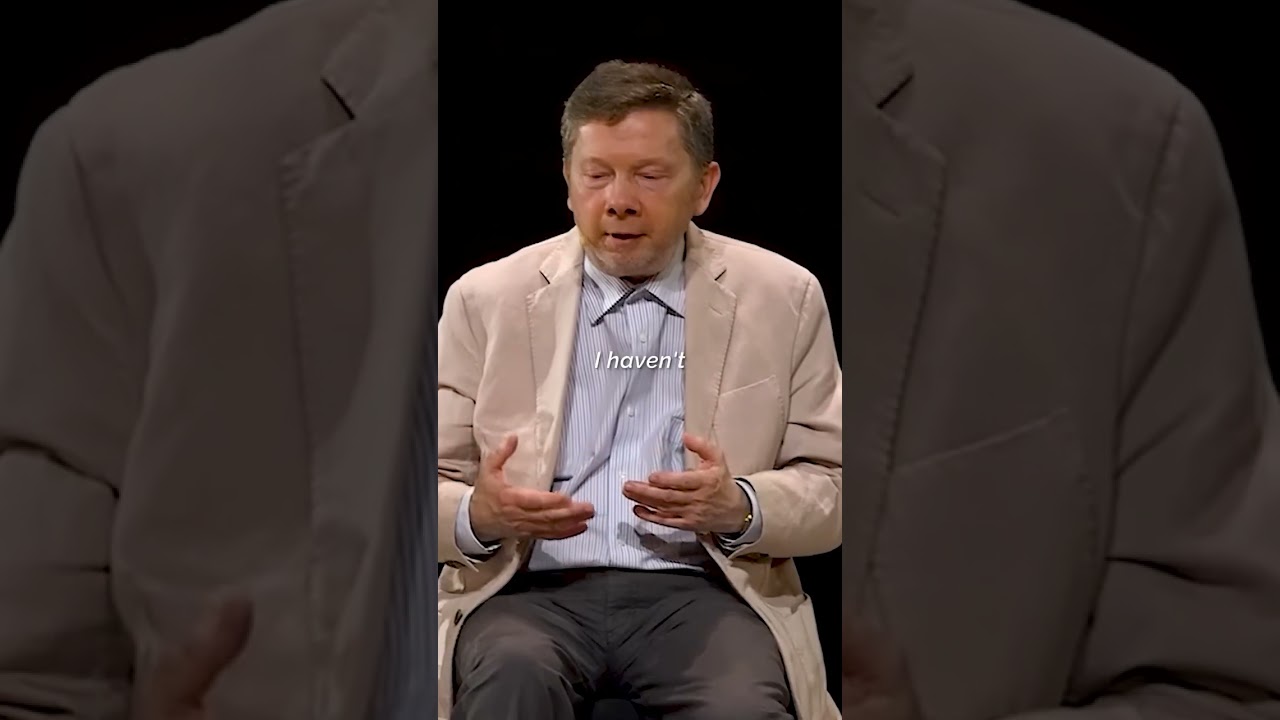
Loneliness is a defining problem of modern civilization, not because we lack devices or social networks, but because we have abandoned ourselves. Constant technological connection—emails, messages, social media—attempts to fill an internal vacuum but cannot address the root issue: we have become disconnected from our own presence. According to Thich Nhat Hanh, true healing requires a return to what he calls "coming home"—a practice of reconnecting with your body, breath, feelings, and the here-and-now through mindfulness. Only by establishing a genuine home within yourself can you build authentic connection with others and contribute to healing society.
What Does It Mean to Feel Lonely While Surrounded by Others?
Loneliness in the modern world is not the absence of people—it is the absence of self-presence. As Thich Nhat Hanh observes early in his teaching, "we feel very lonely even if we are surrounded by many people. We are lonely together." There is a vacuum inside, a sense of not being at home in one's own body and being. The Buddha articulated this clearly: home is not a physical location but an inner refuge, an island of presence you must return to.
The pandemic of loneliness arises despite unprecedented technological connection. People check email multiple times daily, post messages constantly, and maintain status updates—all in an effort to dissipate the feeling of isolation. Yet Thich Nhat Hanh identifies the tragic paradox: "we always stay connected but we feel lonely. Continue to feel lonely." Technology has become a tool for avoidance rather than genuine contact. It supplies the illusion of connection while the underlying wound—disconnection from ourselves—remains untouched.
The deeper relationship crisis extends beyond screens. Our bonds with partners, family, and society deteriorate because we are not in relationship with ourselves. Without an internal home, we cannot offer authentic presence to another person. We bring our emptiness to every interaction, expecting others to fill the void.
Why Does Technology Give Only an Illusion of Connection?
Thich Nhat Hanh articulates a teaching that cuts to the heart of digital culture: "There is an illusion of connection. You think with that technology, with these devices you can connect, but you cannot really connect. How can you connect with another person when you cannot connect with yourself?"
This is not a rejection of technology itself but a clarity about what technology can and cannot do. A phone or computer is a tool that extends reach but cannot bridge the fundamental disconnect between a person and their own presence. When you are sitting with a device, absorbed in its demands, you have left your body. You have forgotten that you are breathing, that your feet are touching the ground, that sensations are arising moment to moment.
Thich Nhat Hanh gives a striking example: "When you spend two hours with your computer you forget entirely that you have a body. And with you, without your body, how can you be alive?" The person at the keyboard may receive responses, likes, or messages, but they are not alive in the sense of being present to their own existence. They have not come home to their body, their breath, their immediate reality.
The illusion persists because technology was designed to solve the wrong problem. We assume that connection means external contact, network expansion, message volume. But authentic connection requires something prior: the presence of a person to themselves. Without that, all digital exchange is a conversation between ghosts.
What Is the Practice of "Coming Home to Yourself"?
Thich Nhat Hanh offers a concrete, embodied practice: sitting down with awareness is "an act of revolution." It is revolutionary because in a culture that has trained us to abandon ourselves, the simple act of sitting mindfully with your own presence is a radical refusal to continue losing yourself.
When you sit and practice mindful breathing, several things happen: first, you reconnect with your body. You become aware of sensations, tensions, the fact that you are alive. Second, you know what is happening in your feelings and emotions. You notice the loneliness, sadness, fear, or anxiety that has been present but unacknowledged. Third, you accept the situation as it is. Thich Nhat Hanh uses a domestic metaphor: your inner home "has become a mess" because you have left it alone for so long. Coming home means acknowledging the state of things without judgment, then beginning to tidy up.
The practice unfolds through breath and movement. With each in-breath and out-breath, you begin to smile at what you find—not with superficial positivity but with gentle recognition. You breathe with your loneliness, your fear, and gradually you embrace these wounded parts of yourself "tenderly in your arms." This is the act of going home and taking care of home.
Thich Nhat Hanh emphasizes that "you don't need an iPhone or a computer to do that. You just need to sit down mindfully and breathe in mindfully, and in a few seconds you connect with yourself." Home is already present—it is the simple fact of your breath, your body, your capacity to return to the here and now.
How Does Reconnecting with Your Body Enable Real Connection?
A core teaching in this talk is that connection with the body is the foundation of all authentic relationship. Your body is not separate from your consciousness or your feelings—it is the ground of your presence. When Thich Nhat Hanh says, "your body is your breathing, your body is your feet, your body is your lungs," he is pointing to the integral wholeness of being alive in the present moment.
In Plum Village, monks and practitioners program a bell of mindfulness into their computers. Every fifteen minutes, the bell sounds and they stop working, stop thinking, and return to their breath. They smile and become alive again. This is not escape from work but a practice of integration—keeping the body present even while the mind engages with tasks.
By connecting with your body, you reconnect with your feelings as they arise. You notice sadness or anger not as abstract concepts but as sensations in the chest, throat, or belly. You learn to say to these feelings, "Don't worry, I'm home. I have taken care of you." This is not suppression or spiritual bypassing—it is authentic emotional presence, a willingness to feel what is actually present rather than trying to dissipate it with distraction.
The practice of walking is also significant. Every step can bring you home to the here and now. Thich Nhat Hanh teaches: "When you walk from the parking lot to your office, why don't you go home with every step? Every step can bring you home. You walk like a Buddha. You act like a free person." This is freedom—the recovery of yourself with each movement, the refusal to continue losing yourself in thought and worry.
What Is the Connection Between Self-Acceptance and Genuine Relationship?
The teaching about coming home contains a subtle but crucial sequence: first, you must connect with yourself. Only then can you genuinely help another person find their home. Thich Nhat Hanh states this explicitly: "Before you can go to him, to her, to help, you have to help yourself. You have to connect with yourself. And then when you have been able to connect with yourself, then the next step is possible. The second step will be successful—to connect with another person."
This is not selfishness but clarity about what genuine help requires. If you are still disconnected from yourself, still lost in a vacuum, you cannot offer another person a real home. Instead, you seek to borrow their presence, to rely on them to fill your internal emptiness. This creates dependent, unstable relationships.
Once you have found home in yourself, something shifts. You are no longer desperate. You can approach your partner, your family, or your community from a place of inner stability and warmth. Your confidence that you have found a home for yourself becomes contagious. It inspires others to seek their own presence. Moreover, since you are already yourself, already home, your eyes can look at another with genuine compassion. As Thich Nhat Hanh notes, "you don't really need an iPhone" to maintain this connection—"even if she is not in the same town, you can connect with him, with her, easily, because you are already yourself, you are already home."
When both people in a relationship have returned to themselves, something new becomes possible: a "collective home," a shared refuge where both individuals bring their presence and authentic care. This is the foundation of real relationship and of healing society itself.
How Does Individual Practice Contribute to Healing Society?
Thich Nhat Hanh situates the personal practice of coming home within a broader vision of social healing. The crisis of loneliness and poor relationships is not individual failure but a civilizational pattern. We have lost ourselves collectively, and technology has enabled that loss on a massive scale. The teaching of the Buddha—"be an island unto yourself," taking refuge in the island itself—becomes not a retreat from the world but a revolutionary act of healing.
When you recover yourself, you are in a position to help others recover themselves. You become a stable presence that others can trust and learn from. A family where one person has come home becomes different: that person's peace affects everyone. A workplace or community where people practice presence and self-connection rather than constant external connection shifts in quality.
Thich Nhat Hanh concludes by emphasizing that this healing must be woven into daily life. "Everything has to begin with every breath, every step, every sitting, every act like drinking, cleaning," with awareness of what is around you and within you. The revolutionary act is not dramatic but humble and ordinary: breathing, walking, sitting, eating—all done with presence, all as a practice of coming home.
Where to Go From Here
If you resonate with this teaching, the practice begins now. Choose one moment today to sit down and reconnect with your breath. Notice without judgment what is present in your body and feelings. If you find loneliness, sadness, or fear, greet it gently: "I know you are there. I am here to take care of you." You need no special equipment—only your willingness to come home to yourself. As you practice, notice how your presence changes your relationships and your capacity to truly see and care for others. The healing of loneliness and the creation of authentic connection begin, as the Buddha taught, with the island of self.