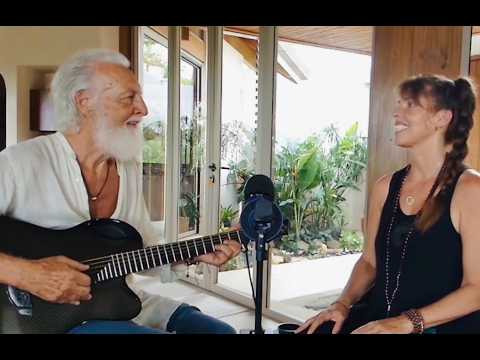
Om Triambakam is a three-thousand-year-old Sanskrit mantra from the Yajurveda that addresses the three-eyed Lord Shiva as the healer and liberator. When chanted with intention and proper sound, it works directly on the nervous system and energetic body to release trauma, invoke protection, and create a path toward moksha (liberation). The mantra combines devotion with sonic healing, making it one of the most revered healing practices across Hindu and Buddhist traditions.
What Is Om Triambakam and Where Does It Come From?
Om Triambakam is one of the most ancient and powerful mantras in the Hindu tradition. The word "Triambakam" is composed of two parts: "tri" meaning three, and "ambakam" meaning eyes or mothers. The mantra directly addresses Shiva, the divine consciousness represented as the three-eyed god who perceives past, present, and future simultaneously. The full chant invokes this transcendent awareness as a healing and liberating force.
The mantra originates from the Yajurveda, one of the four Vedas, and specifically from the Rudra Prashna (the Rudra hymns). This placement within the Vedas indicates that it has been recognized for thousands of years as a tool for invoking divine protection and healing. Unlike mantras focused purely on praise or petition, Om Triambakam carries within it the essence of ultimate transformation—the movement from ignorance and suffering toward clarity and freedom.
When chanted live, as in the Lausanne performance recorded by Deva Premal and Miten, the mantra is not merely recited but sung. This distinction is crucial: the melodic and rhythmic structure of the chant creates resonance patterns that activate the parasympathetic nervous system and calm the mind in ways that spoken repetition alone cannot achieve.
How Does the Mantra Work on the Body and Mind?
Om Triambakam functions as both a devotional invocation and a sonic healing tool. When the mantra is chanted, the sound vibrations travel through the body, affecting the nervous system at a deeply physiological level. The "Om" at the beginning is not merely a syllable—it is considered the fundamental vibration from which all creation arises. As it is sung and heard, it begins to attune the listener's own vibrational frequency to the cosmic frequency, creating what practitioners call "resonance alignment."
The repetition of the mantra also activates specific energy centers in the body known as chakras. The throat and heart chakras are particularly engaged during chanting, as these are the centers associated with truth, communication, and emotional healing. When the mantra is performed in a group setting or amplified through live performance, the collective sound field becomes exponentially more powerful. The musicians accompanying the chant—as heard in the Lausanne recording with bass, keyboards, and percussion—enhance this effect by creating a container of sound that supports the listener's own journey into deeper states of relaxation and inner stillness.
Beyond the physiological effects, Om Triambakam works on what might be called the energetic or subtle body. In tantric and yogic traditions, trauma and suppressed emotions create blockages in the energy channels. The mantra, when chanted with awareness and intention, gently dissolves these blockages, allowing life force energy (prana) to flow more freely through the body.
What Are the Specific Benefits of Chanting Om Triambakam?
The benefits of Om Triambakam are manifold and operate at multiple levels of human experience:
- Nervous System Regulation: The gentle, flowing melody of Om Triambakam activates the vagus nerve, which governs the parasympathetic nervous system. This is the "rest and digest" response that counteracts chronic stress and anxiety.
- Trauma Release: Sound therapy and mantra chanting have been shown to help process and release stored trauma from the body. The mantra's specific frequency patterns appear to "unlock" held emotional patterns and allow their natural discharge.
- Spiritual Protection: In Hindu and yogic traditions, Om Triambakam is invoked as a protective mantra. Chanting it is understood to surround the practitioner with divine grace and protection, creating a spiritual boundary that shields against negative influences.
- Path to Liberation: The mantra explicitly invokes moksha—the ultimate liberation from the cycle of birth and death. This is not merely a philosophical aspiration but a practical tool for moving consciousness toward freedom from identification with limited selfhood.
- Heart Opening: Many who chant Om Triambakam report a profound sense of expansion in the heart center. This is understood as the mantra's power to dissolve the barriers between individual consciousness and universal consciousness.
- Deep Relaxation: The combination of the melodic structure, the sacred intention, and the supportive group field creates a state of deep relaxation that is difficult to achieve through other means. This state is itself healing, allowing the body's natural regenerative capacities to activate.
How Should Om Triambakam Be Chanted for Maximum Benefit?
The pronunciation and intention behind the chant matter significantly. The proper Sanskrit pronunciation is approximately "Om Tri-am-ba-kam" with the emphasis on clear enunciation of each syllable. However, true chanting is not merely mechanical recitation—it requires presence and sincere devotional feeling.
Many practitioners recommend chanting Om Triambakam in the early morning, when the mind is naturally clearer and the energy of the day is fresh. Some traditions suggest chanting it 108 times, as 108 is considered a sacred number in Hindu cosmology. Others prefer to chant continuously for a set duration, such as 20 or 40 minutes, allowing the mantra to work deeper as the mind becomes more settled.
The most potent practice, as demonstrated in live performances like the Lausanne event, is to receive the mantra in a group setting where it is sung with full musical accompaniment. The presence of skilled musicians and the collective intention of the group amplify the mantra's effect exponentially. This is why many spiritual seekers travel to hear established mantra singers perform—the combined field is far more powerful than solo practice alone.
When chanting personally, it is helpful to focus the mind on the meaning of the mantra. Rather than allowing the mind to wander, the practitioner can contemplate Shiva's three eyes perceiving all time, or visualize light and healing energy flowing through the body with each repetition. This combination of sound, meaning, and visualization creates a complete practice that engages all dimensions of human consciousness.
What Happens When You Listen to Om Triambakam Without Chanting Yourself?
Listening to Om Triambakam without actively participating is itself a powerful practice. The mantra's healing effects are not limited to those who chant—they extend to anyone in the sound field with receptivity. This is why recorded performances and live concerts serve a genuine healing function, even for those who simply sit and listen.
When you listen without efforting, your nervous system naturally begins to entrain to the rhythm and frequency of the mantra. This phenomenon, called "sympathetic resonance," means that your body's vibrational patterns begin to align with the mantra's patterns. Over time, this creates a gentle but profound shift toward greater calm, clarity, and spiritual opening.
Where to Go From Here
To deepen your practice with Om Triambakam, consider beginning with short daily listening sessions of 10-15 minutes. This can be done while working, cooking, or simply resting. As you become familiar with the mantra's energy, you may feel called to learn the chant yourself and add your voice to the tradition. Many teachers, including Deva Premal and Miten, offer recorded versions, apps, and live events specifically designed to support this journey. The Gayatri Sangha App mentioned in connection with this Lausanne performance provides access to both instruction and ongoing community support for mantra practice. Whether you engage through listening or active chanting, Om Triambakam remains available as a healing resource that has supported spiritual seekers for millennia and continues to do so today.