EveryEvent Barcelona

Alle Events durchsuchen

Find every event in Barcelona

events

Concerts & Live Music
Festivals
Sports & Recreation
Food & Drink
Arts & Culture
Community
Family & Kids
Nightlife
Comedy
Theater
Beliebte Reiseziele
BaliSedonaLos AngelesCosta RicaNew YorkSan FranciscoAustinMiamiJoshua TreeTulum
Alle Kategorien anzeigenAlle Reiseziele anzeigen

Alle Funktionen entdecken

Leistungsstarke Tools für Ihre Veranstaltungen

Plattform-Funktionen

Intelligente dynamische Preisgestaltung
Ticket-Kategorien
Sitzplatzreservierung
Warenkorbabbruch-Wiederherstellung
Besucher-Wiedergewinnung
Spenden & Staffelpreise
Affiliate-System
Ticket-Scanner
Rabattcodes
Individuelle Fragen
Ticket-Teilen
Upsells & Extras
Analysen & Berichte
E-Mail-Sequenzen
Warteliste / Benachrichtigen / Erinnern
Entdecken
Discovery HubArtists & PerformersVenuesKnowledge Base
Alle Funktionen anzeigenÜber uns
PreiseBlog
Language
Saved events
Alle Veranstaltungen durchsuchen

events

Concerts & Live MusicFestivalsSports & RecreationFood & DrinkArts & CultureCommunityFamily & KidsNightlife

Beliebte Reiseziele

BaliSedonaLos AngelesCosta RicaNew YorkSan Francisco

Entdecken

Discovery HubArtists & PerformersVenuesKnowledge Base

Plattform-Funktionen

Intelligente dynamische PreisgestaltungTicket-KategorienSitzplatzreservierungWarenkorbabbruch-WiederherstellungBesucher-WiedergewinnungSpenden & StaffelpreiseAffiliate-SystemTicket-ScannerRabattcodesIndividuelle FragenTicket-TeilenUpsells & ExtrasAnalysen & BerichteE-Mail-SequenzenWarteliste / Benachrichtigen / Erinnern
Alle Funktionen anzeigenÜber uns
PreiseBlog
AnmeldenRegistrierenVeranstalter
  • Browse All Events
  • Concerts & Live Music
  • Festivals
  • Sports & Recreation
  • Food & Drink
  • Arts & Culture
  • Community
  • Family & Kids
  • Nightlife
  • Alle Kategorien →
  • All Destinations →
  • For Promoters
  • For Artists
  • For Venues
  • For Festivals
  • For Event Spaces
  • For Nonprofits
  • For Bloggers
  • For Speakers
  • Brand Ambassador
  • Case Studies
  • 350.000+ Käufernetzwerk
  • Warenkorbabbruch-Wiederherstellung
  • Intelligente dynamische Preisgestaltung
  • Ticket-Kategorien
  • Wiederkehrende Veranstaltungen
  • Sitzplatzreservierung
  • Affiliate-System
  • Warteliste / Benachrichtigen
  • Ticket-Scanner
  • Einbettungs-Widget
  • Event-Syndication
  • Nachrichten
  • Integrationen
  • Berichte
  • Alle Funktionen →
  • Über uns
  • Das Ökosystem
  • Blog
  • Glossar
  • Inspiration
  • Hilfe-Center
  • Kontakt
  • API-Dokumentation
  • Marken-Assets
  • Karriere
  • Presse
  • Nutzungsbedingungen
  • Datenschutzrichtlinie

Events

  • Browse All Events
  • Concerts & Live Music
  • Festivals
  • Sports & Recreation
  • Food & Drink
  • Arts & Culture
  • Community
  • Family & Kids
  • Nightlife
  • Alle Kategorien →

Getaways

  • All Destinations →

For Organizers

  • For Promoters
  • For Artists
  • For Venues
  • For Festivals
  • For Event Spaces
  • For Nonprofits
  • For Bloggers
  • For Speakers
  • Brand Ambassador
  • Case Studies

Funktionen

  • 350.000+ Käufernetzwerk
  • Warenkorbabbruch-Wiederherstellung
  • Intelligente dynamische Preisgestaltung
  • Ticket-Kategorien
  • Wiederkehrende Veranstaltungen
  • Sitzplatzreservierung
  • Affiliate-System
  • Warteliste / Benachrichtigen
  • Ticket-Scanner
  • Einbettungs-Widget
  • Event-Syndication
  • Nachrichten
  • Integrationen
  • Berichte
  • Alle Funktionen →

Unternehmen

  • Über uns
  • Das Ökosystem
  • Blog
  • Glossar
  • Inspiration
  • Hilfe-Center
  • Kontakt
  • API-Dokumentation
  • Marken-Assets
  • Karriere
  • Presse
  • Nutzungsbedingungen
  • Datenschutzrichtlinie
EveryEvent
© 2026 EveryEvent Barcelona. Alle Rechte vorbehalten.
Inspiration

Siddhi Ma: How a Guru'sDevotee Became Spiritual Guide

Jai Uttal
Jai Uttal
Jan 16, 2018
7 Min. Lesezeit

Siddhi Ma was an early devotee of Neem Karoli Baba (Maharajji) who became a pivotal spiritual guide to his extended family after his death in 1973. Though tasked initially with practical duties—managing temples and ashrams—she transcended those roles to become a mother figure, counselor, and living embodiment of Maharajji's continued presence, offering love, guidance, and fierce devotion to all who came to her until her passing on December 28th.

Lesen · 9 Abschnitte

Who Was Siddhi Ma in the Context of Neem Karoli Baba?

Siddhi Ma was among the earliest devotees of Neem Karoli Baba (Maharajji), the renowned Indian saint and guru who profoundly influenced Western spiritual seekers in the 1960s and 1970s. When Maharajji left his body in 1973, he left behind a large spiritual family—both Indian and Western devotees who had been transformed by his teachings and presence. For many, his death created what Jai Uttal describes as a "void of loss and longing." It was in this void that Siddhi Ma emerged, not as a replacement guru, but as a living link to Maharajji's continued presence and compassion.

What Practical Role Did Siddhi Ma Take On?

In the years following Maharajji's death, Siddhi Ma was entrusted with significant responsibilities: caring for the temples and ashrams that had been central to Maharajji's mission. This was not ceremonial work—it required her to actively manage physical spaces, coordinate devotees, and ensure continuity of spiritual practice. Yet this practical work, as Uttal describes it, was infused with something deeper: "Ma pulled everything and everyone together with a deep love and a fierce devotion." The distinction matters. Rather than treating these duties as administrative tasks separate from spiritual life, Siddhi Ma performed them as an expression of her devotion to Maharajji and her commitment to his students. Her actions became a teaching in themselves—showing how service, when rooted in love, becomes indistinguishable from prayer.

How Did Siddhi Ma Function as a Spiritual Guide?

Beyond her role as caretaker of physical spaces, Siddhi Ma became something far more profound: a spiritual guide to Maharajji's extended family. For some, she quite literally became Mother—a title that held both the psychological warmth of maternal care and the spiritual significance of a guide who could transmit wisdom. She offered what Uttal names explicitly: advice, encouragement, and simple care. These three elements are worth examining. Advice suggests she had discernment—the ability to read students' spiritual conditions and offer direction suited to their specific struggles. Encouragement implies she held faith in people's capacity to grow and transform, even when they could not hold such faith in themselves. And simple care represents perhaps the most underestimated dimension of spiritual work: the day-to-day tending to a person's physical, emotional, and spiritual wellbeing.

What Made Siddhi Ma a Conduit of Maharajji's Presence?

Uttal offers a striking image: "She was such a conduit of Maharajji's oceanic presence and love that the two became one." This is not metaphorical language—it points to a genuine spiritual phenomenon. In Hindu and Buddhist traditions, there is the understanding that a true devotee, through years of deep practice and surrender, can become so merged with their guru that the guru's qualities flow through them. Siddhi Ma had been a devotee "from the very early days," which means decades of spiritual practice, meditation, service, and surrender to Maharajji's grace. By the time she became elder to the sangha (spiritual community), she was so steeped in his teachings and presence that she did not merely teach about Maharajji—she embodied him. When devotees received her counsel, they were receiving not just an individual's wisdom, but a transmission of Maharajji's continued blessing.

How Did Siddhi Ma Hold the Community Together After Loss?

The death of a beloved guru is one of the most destabilizing events in a spiritual community. Devotees can feel abandoned, their practice undermined by the absence of the living presence they have relied upon. Maharajji's death created exactly this rupture. Many students felt lost. Siddhi Ma's presence addressed this not by denying the loss or pretending Maharajji's physical absence did not matter, but by showing that the work continues, that Maharajji's love persists, and that his teachings can be lived and transmitted through those who remain. Her fierce devotion—her unwillingness to let the temples fall into disrepair, her commitment to gathering everyone together, her open heart to all who came—was a statement about the nature of spiritual lineage itself: it does not end when the guru leaves the body; it transforms.

What Can We Learn From Siddhi Ma's Role as a Spiritual Figure?

Siddhi Ma's life suggests several things about how spiritual transmission actually works. First, it shows that not all spiritual authority comes with the title of guru. She was not proclaimed as a guru-replacement; she simply showed up with love and devotion and became a guide. Second, it demonstrates that practical service and spiritual development are not separate. The work of managing ashrams and caring for devotees was her practice. Third, it illustrates the power of devotion. She did not claim to have invented new teachings; she simply remained so devoted to her guru's presence that that presence flowed through her naturally. This is accessible to anyone willing to commit to a path and a lineage with humility and surrender.

How Did Siddhi Ma Affect Individual Devotees Like Jai Uttal?

Jai Uttal's personal testimony is important: "I received so much love from Siddhi Ma, as well as advice, encouragement and simple care, that I can hardly find words to convey what she meant to me." This honest admission—that words fail—is significant. The impact of genuine spiritual presence cannot be fully captured in language. What Uttal did receive was tangible: love, practical guidance, emotional support. These are not abstract blessings. They are the lived experience of being held by someone who cares deeply about your spiritual and human wellbeing. For Uttal, who later became a celebrated kirtan artist and teacher in his own right, Siddhi Ma's influence was formative. She showed him that devotion, service, and love are the true currency of the spiritual path.

What Is the Legacy of Siddhi Ma After Her Death?

Siddhi Ma left this world on December 28th, and in that departure, she joins Maharajji in the realm of those who have completed their earthly work. Yet her influence persists. The ashrams and temples she tended continue to function. The devotees she guided carry her counsel within them. And the lineage she protected—Neem Karoli Baba's teaching and grace—flows through all those she touched. In spiritual traditions, such figures are sometimes understood not as gone, but as transformed, available in forms both subtle and real. Uttal's closing words—"Jaya Ma!"—is both a statement of grief and a statement of victory, honoring both her human life and her eternal nature.

Where to Go From Here

If Siddhi Ma's role resonates with you, consider exploring the teachings of Neem Karoli Baba directly, through books like "Be Here Now" (formerly "Remember Be Here Now") and collections of his words compiled by his devotees. Investigate the practice of kirtan and devotional singing, a path that Jai Uttal has made accessible to contemporary practitioners. Reflect on the people in your own life who have served as spiritual guides or mothers—not necessarily those with formal titles, but those whose devotion and love have transmuted the ordinary into the sacred. Finally, examine your own capacity for the kind of devotion Siddhi Ma embodied: the willingness to serve, to love fiercely, and to let go of seeking personal credit or recognition, trusting instead that when we align ourselves with a truth larger than ourselves, that truth flows through us naturally.

Jai Uttal
AutorJai Uttal

American kirtan singer, multi-instrumentalist, and pioneer of devotional sound in the West — one of the central figures, alongside Krishna Das, Snatam Kaur, and Deva Premal, in the…

Profil ansehenWebsite
Themen erkunden
Guru-devotionSpiritual-lineageNeem-karoli-babaAshram-lifeMaternal-grace

Hast du Fragen?

Häufig gestellte Fragen

Siddhi Ma was an early devotee of Neem Karoli Baba who became a spiritual guide and mother figure to his extended family after his death in 1973. She managed temples and ashrams with deep devotion and offered counsel, encouragement, and care to all who came to her, becoming a living conduit of Maharajji's presence and teachings.
Siddhi Ma's example shows that succession is not about formal proclamation but about authentic presence. A devoted student who has spent years absorbing their guru's teachings through service and meditation can become a guide naturally—not as a replacement guru, but as someone through whom the lineage continues to flow and teach.
While a guru is typically the primary initiator and teacher, a spiritual guide like Siddhi Ma offers practical advice, emotional support, and the embodiment of teachings already received. She functioned as a mother and counselor, maintaining the lineage rather than originating new teachings.
Yes. Siddhi Ma was not formally titled as a guru, yet she became a revered spiritual authority through her devotion, service, and the visible presence of her guru flowing through her. Authority in the spiritual sense comes from lived practice and authentic presence rather than institutional designation.
A conduit is someone so merged with their guru's teachings and consciousness through devotion and surrender that they become a channel for the guru's continued presence and blessings. Siddhi Ma's devotion to Maharajji was so complete that the two became spiritually inseparable, and others felt Maharajji's grace through her.
When service is performed with love and devotion rather than as a task, it becomes indistinguishable from meditation and prayer. Siddhi Ma's care for temples, ashrams, and devotees was not separate from her spiritual development—it was the very vehicle of her practice and her transmission to others.
Devotion (bhakti) is one of the primary paths to spiritual realization. It involves surrendering the ego and aligning oneself so completely with the guru or the divine that one's individual will merges with a higher consciousness. Siddhi Ma exemplified this through her unwavering commitment to Maharajji's lineage and presence.
Jaya Ma means 'Victory to the Mother' or 'Honor to the Mother' in Sanskrit. Uttal used it to honor both Siddhi Ma's human life and her spiritual nature, acknowledging her as both departed and eternally present—a common way devotees honor revered teachers who have left the body.

Weiterlesen

More from Jai

Alle anzeigen
How the Bauls of Bengal Broke My Sky: A Musician's Search
Featured

How the Bauls of Bengal Broke My Sky: A Musician's Search

A chance encounter on a dirt path in West Bengal led to a musical awakening. Jai Uttal traces how the outcasts of Bengali culture transforme…

1 min read
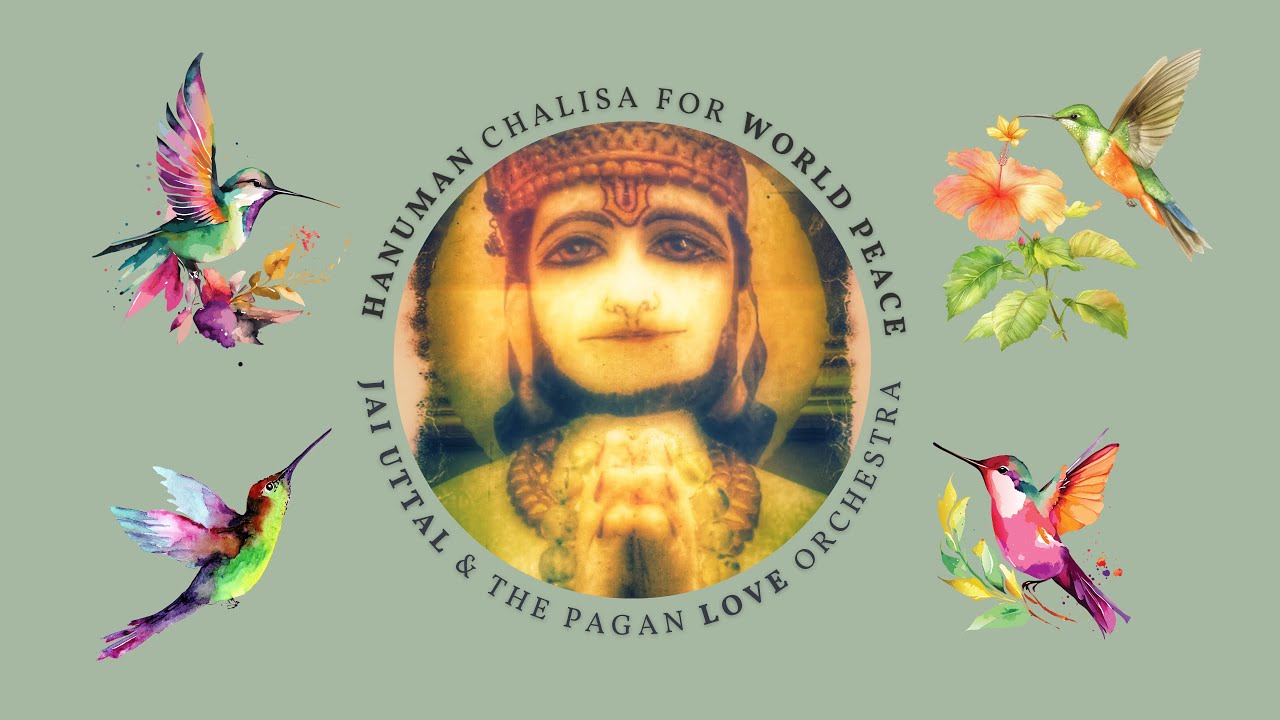
Hanuman Chalisa for World Peace: Ancient Chant for Modern Times
Featured

Hanuman Chalisa for World Peace: Ancient Chant for Modern Times

Jai Uttal leads a devotional rendering of the Hanuman Chalisa, a 40-verse Sanskrit hymn invoking strength, clarity, and peace through kirtan…

1 min read
Shiva Shambho: How Sacred Sound Awakens Spiritual Devotion
Featured

Shiva Shambho: How Sacred Sound Awakens Spiritual Devotion

Radhika Das channels the transformative power of transcendental sound through a live kirtan performance, revealing how mantra purifies the h…

1 min read
Transcendental Sound: How Kirtan Awakens the Heart
Featured

Transcendental Sound: How Kirtan Awakens the Heart

The maha-mantra purifies the mind and awakens divine nature. Radhika Das leads a live kirtan exploring how sacred sound heals and unites col…

1 min read

Weiter erkunden

Setze deinen Weg fort

Mehr Weisheit und Zusammenkünfte aus dem BrightStar-Verzeichnis.

Mehr Artikel

Durchstöbere die ganze Bibliothek an Lehren, Interviews und Leitfäden.

Zu allen Artikeln →

Lehrer & Künstler

Entdecke die Linien, Musiker und Wegbegleiter der bewussten Welt.

Künstler erkunden →

Event finden

Kirtan, Retreats, Klangbäder, Atemarbeit, Festivals — bald in deiner Nähe.

Events ansehen →