EveryEvent Barcelona

Browse All Events

Find every event in Barcelona

events

Concerts & Live Music
Festivals
Sports & Recreation
Food & Drink
Arts & Culture
Community
Family & Kids
Nightlife
Comedy
Theater
Popular Destinations
BaliSedonaLos AngelesCosta RicaNew YorkSan FranciscoAustinMiamiJoshua TreeTulum
View All CategoriesView All Destinations

Explore All Features

Powerful tools to grow your events

Platform Features

Smart Dynamic Pricing
Ticket Categories
Assigned Seating
Abandoned Cart Recovery
Visitor Recovery
Donations & Sliding Scale
Affiliate Engine
Ticket Scanner
Coupon Codes
Custom Questions
Ticket Sharing
Upsells & Add-ons
Analytics & Reporting
Email Sequences
Waitlist / Notify / Remind
Explore
Discovery HubArtists & PerformersVenuesKnowledge Base
View All FeaturesAbout Us
PricingBlog
Language
Saved events
Browse All Events

events

Concerts & Live MusicFestivalsSports & RecreationFood & DrinkArts & CultureCommunityFamily & KidsNightlife

Popular Destinations

BaliSedonaLos AngelesCosta RicaNew YorkSan Francisco

Explore

Discovery HubArtists & PerformersVenuesKnowledge Base

Platform Features

Smart Dynamic PricingTicket CategoriesAssigned SeatingAbandoned Cart RecoveryVisitor RecoveryDonations & Sliding ScaleAffiliate EngineTicket ScannerCoupon CodesCustom QuestionsTicket SharingUpsells & Add-onsAnalytics & ReportingEmail SequencesWaitlist / Notify / Remind
View All FeaturesAbout Us
PricingBlog
Log inSign UpEvent Organizers
  • Browse All Events
  • Concerts & Live Music
  • Festivals
  • Sports & Recreation
  • Food & Drink
  • Arts & Culture
  • Community
  • Family & Kids
  • Nightlife
  • All Categories →
  • All Destinations →
  • For Promoters
  • For Artists
  • For Venues
  • For Festivals
  • For Event Spaces
  • For Nonprofits
  • For Bloggers
  • For Speakers
  • Brand Ambassador
  • Case Studies
  • 350K+ Buyer Network
  • Abandoned Cart Recovery
  • Smart Dynamic Pricing
  • Ticket Categories
  • Recurring Events
  • Assigned Seating
  • Affiliate Engine
  • Waitlist / Notify
  • Ticket Scanner
  • Embed Widget
  • Event Syndication
  • Message Center
  • Integrations
  • Reports
  • All Features →
  • About
  • The Ecosystem
  • Blog
  • Glossary
  • Inspiration
  • Help Center
  • Contact
  • API Docs
  • Brand Assets
  • Careers
  • Press
  • Terms of Service
  • Privacy Policy

Events

  • Browse All Events
  • Concerts & Live Music
  • Festivals
  • Sports & Recreation
  • Food & Drink
  • Arts & Culture
  • Community
  • Family & Kids
  • Nightlife
  • All Categories →

Getaways

  • All Destinations →

For Organizers

  • For Promoters
  • For Artists
  • For Venues
  • For Festivals
  • For Event Spaces
  • For Nonprofits
  • For Bloggers
  • For Speakers
  • Brand Ambassador
  • Case Studies

Features

  • 350K+ Buyer Network
  • Abandoned Cart Recovery
  • Smart Dynamic Pricing
  • Ticket Categories
  • Recurring Events
  • Assigned Seating
  • Affiliate Engine
  • Waitlist / Notify
  • Ticket Scanner
  • Embed Widget
  • Event Syndication
  • Message Center
  • Integrations
  • Reports
  • All Features →

Company

  • About
  • The Ecosystem
  • Blog
  • Glossary
  • Inspiration
  • Help Center
  • Contact
  • API Docs
  • Brand Assets
  • Careers
  • Press
  • Terms of Service
  • Privacy Policy
EveryEvent
© 2026 EveryEvent Barcelona. All rights reserved.
Inspiration

Mul Mantra: Ek Ong Kar andthe Sacred Vibration of Sikh Devotion

Snatam Kaur
Snatam Kaur
Jun 7, 2019
8 min read
Watch · 4
The Mul Mantra, beginning with "Ek Ong Kar," is the foundational chant of Sikhism—a sacred invocation affirming the oneness of the Divine. Rooted in 15th-century Sikh teachings by Guru Nanak Dev Ji, this mantra operates through vibrational frequency to calm the nervous system, open the heart center, and anchor consciousness in truth. When chanted or sung with intention and breath awareness, the Mul Mantra becomes a practical tool for meditation, emotional healing, and remembering the unity underlying all existence.

Read · 7 sections

What is the Mul Mantra and why does it matter in Sikh practice?

The Mul Mantra is the opening invocation of the Sikh scripture, the Guru Granth Sahib, and stands as the spiritual foundation of Sikhism itself. "Ek Ong Kar" translates to "One Creator," asserting the fundamental Sikh principle that there is one Divine reality underlying all existence. This mantra is not merely poetic or devotional ornamentation; it is a compressed statement of metaphysical truth—a recognition that separateness is illusory and that unity is the deepest nature of reality.

Guru Nanak Dev Ji, the founder of Sikhism in the 15th century, designed the Mul Mantra as an anchor for spiritual practice. Unlike some traditions that approach divinity as distant or unknowable, the Mul Mantra invites practitioners into direct relationship with the One Creator through sound, breath, and conscious recitation. The mantra carries within it both philosophical precision and emotional resonance, making it accessible to practitioners across levels of understanding.

How does chanting the Mul Mantra affect the nervous system and mind?

Mantra-based practice operates through a dual mechanism: sonic vibration and intentional repetition. When the Mul Mantra is chanted or sung, specific frequencies are produced that influence the physical body, the nervous system, and the subtle energy channels in yogic physiology. The phonetic components of "Ek Ong Kar" create vibrations in the nasal cavity, palate, and throat, which in turn stimulate the vagus nerve and activate the parasympathetic nervous system—the body's natural relaxation response.

The repetition itself serves as an anchor for attention. A mind left to wander typically cycles through anxiety about the future or rumination about the past. By directing attention toward the vibration and meaning of the mantra, the practitioner naturally settles into the present moment. This sustained focus—what some contemplative traditions call "one-pointedness"—is the foundation of meditation. Over time, consistent mantra practice deepens mental clarity, reduces scattered thinking, and builds resilience against stress.

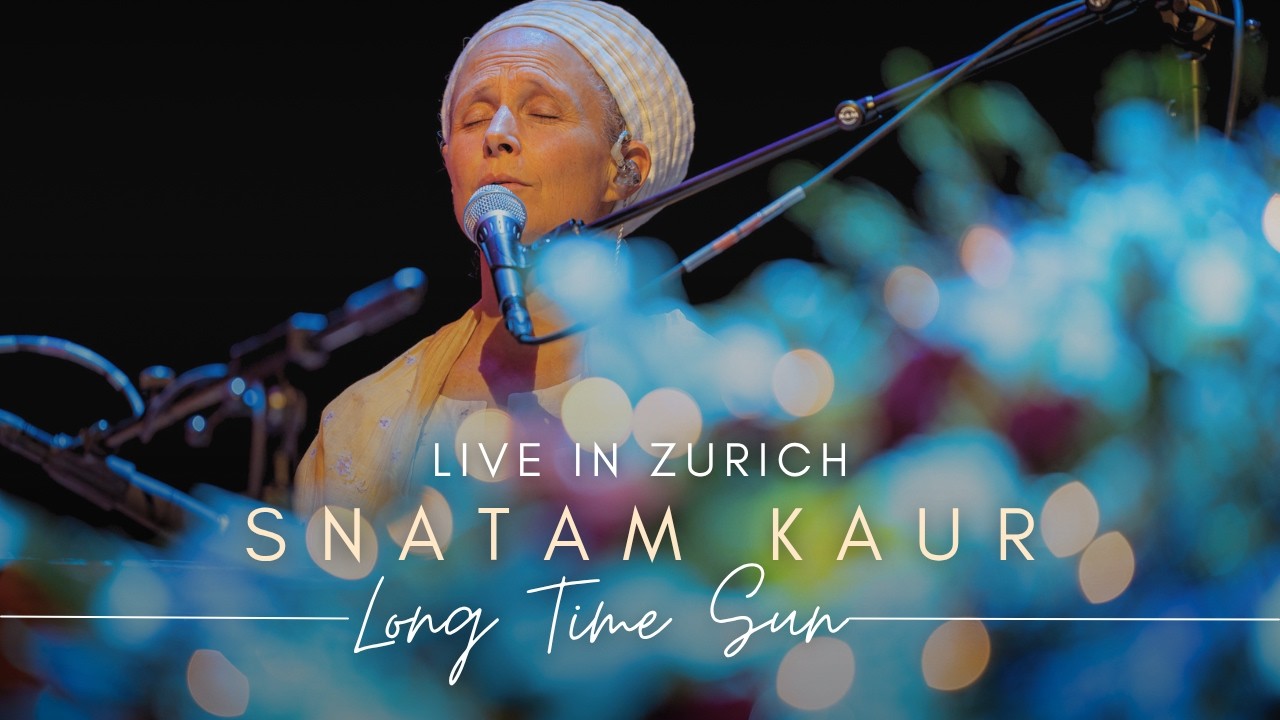
Snatam Kaur's rendering of the Mul Mantra exemplifies this principle. Her vocal performance carries the mantra not as mere sound but as sacred vibration, inviting listeners to attune their own subtle bodies to the frequency she transmits. This is why devotional singing of mantras can be more potent than intellectual study alone—the heart is engaged alongside the mind.

What is the spiritual significance of "Ek Ong Kar" specifically?

"Ek Ong Kar" translates as "One Creator" or "One Divine Consciousness." The word "Ek" means one or unity; "Ong" is a primordial sound representing the infinite; and "Kar" means creator or creative force. Together, these words form a non-dual affirmation—there is not a creator separate from creation, but rather the One consciousness manifesting as all that exists.

This statement directly counters the illusion of separation that typically governs human consciousness. We perceive ourselves as isolated individuals, fundamentally separate from others, nature, and the Divine. The Mul Mantra cuts through this delusion by reminding practitioners that unity is the ground state of existence. When recited with sincere understanding, "Ek Ong Kar" becomes more than words; it becomes a direct pointing toward truth.

In the Sikh tradition, this recognition of unity has profound ethical implications. If all beings arise from the One Creator, then all humans are equal in essence. This is why Guru Gobind Singh Ji taught, "Recognize the entire human race as one." The Mul Mantra is not escapist or purely interior; it is the seed from which compassion, justice, and recognition of shared humanity naturally grow.

How does sacred vibration support emotional and heart healing?

Grief, trauma, and emotional contraction often lodge in the chest cavity and heart center. The Mul Mantra, when chanted with awareness and breath, directly addresses this area. The nasal resonance and open vowels of "Ong" in particular activate and soothe the heart chakra in yogic anatomy. Unlike suppression or bypass, mantra practice allows emotions to move and dissolve through conscious attention and vibration.

The emotional tone in Snatam Kaur's interpretation of the mantra is significant. She does not chant it as a mechanical repetition but as a sincere invocation—a genuine call to the Divine. This tone of authenticity and devotion is transmitted to the listener. When we hear sacred sound delivered with genuine emotion, our own heart responds in kind. The mantra becomes a vehicle for opening channels of feeling that have been closed or defended.

Furthermore, the mantra's affirmation of unity and Divine presence can dissolve the isolation and fear that underlie much emotional suffering. If the One Creator is present in all beings and circumstances, then separation is impossible and abandonment is illusory. This recognition, when internalized through repeated practice, can gradually shift the baseline of emotional experience from contraction to spaciousness.

What are the practical benefits of consistent mantra practice?

Regular engagement with the Mul Mantra produces measurable and experiential benefits:

  • Deepened spiritual connection: Over time, the distinction between self and Divine blurs. What begins as "I am reciting the mantra" gradually shifts to "the mantra is reciting through me," indicating an opening to grace and surrender.
  • Enhanced focus and mental clarity: The nervous system becomes more regulated. Rumination decreases, decision-making improves, and the mind becomes a cleaner instrument for perception and action.
  • Emotional resilience: Practitioners report greater capacity to witness difficult emotions without being overwhelmed by them. The mantra becomes an internal refuge.
  • Inspiration of unity and compassion: As the truth of "Ek Ong Kar" settles into lived experience, compassion and service naturally arise. The recognition of shared humanity becomes embodied, not merely intellectual.
  • Somatic regulation: The body's inflammatory response decreases, sleep improves, and the overall sense of safety in the nervous system increases.

How do Sikh teachings on truth integrate with mantra practice?

Guru Nanak Dev Ji taught, "Truth is high, but higher still is truthful living." This principle points to a crucial aspect of Sikh spirituality often overlooked: mantra is not an escape from the world but a preparation for ethical engagement with it. The mantra calms and clarifies the mind so that one can act with integrity, compassion, and truthfulness in daily life.

Similarly, Guru Arjan Dev Ji observed, "Where there is forgiveness, there is God Himself." This teaching indicates that the spiritual path is not measured by hours spent in meditation but by the capacity to forgive, to see the Divine in apparent enemies, and to recognize the shared humanity of all beings. The Mul Mantra supports this capacity by repeatedly affirming the truth of unity.

Sikhism, unlike some traditions that emphasize renunciation and world-negation, is a householder's path. Practitioners are called to live fully in the world—to earn an honest living, to serve others, to raise families—while maintaining inner connection to the Divine. The Mul Mantra supports this integration by anchoring consciousness in truth while freeing the practitioner to act with clarity and compassion in the world.

Where to go from here

If you are drawn to the Mul Mantra, begin with consistent practice. Set aside 5-15 minutes daily to chant or listen to the mantra with full attention. Let your breath align naturally with the rhythm. Notice what arises—sensations in the body, emotions, thoughts—without judgment. Over weeks and months, you may notice shifts in your baseline state of mind and heart.

Explore the Sikh teachings cited here: the texts of Guru Nanak Dev Ji, Guru Arjan Dev Ji, and Guru Gobind Singh Ji contain profound guidance on truth, unity, and compassionate living. The mantra is not separate from these teachings; it is their distilled essence, meant to be lived.

Consider learning more about Sikh philosophy and practice through resources like Spirit Voyage and SikhNet. If you are called to deepen your practice, explore kirtan—the call-and-response singing of mantras in community. There is particular power in chanting with others, as individual vibrational fields strengthen and amplify one another.

Most importantly, allow the Mul Mantra to work on you over time. Trust the tradition that has sustained millions of practitioners for over 500 years. The truth "Ek Ong Kar" points to—that all is One—is not merely a belief but a direct experiential knowing available to any sincere seeker.

]]>
Transcript

[0:00] [Music]

[0:10] [Music]

[0:29] hey put

[0:37] [Music]

[0:46] [Music]

[0:59] for

[1:06] [Music]

[1:14] [Music]

[1:19] are the such to God the such Happ

[1:25] [Music]

[1:29] such

[1:31] [Music]

[1:38] [Music]

[1:59] Happ

[2:00] [Music]

[2:08] [Music]

[2:17] such heavy such

[2:20] n

[2:22] be

[2:23] [Music]

[2:29] such

[2:31] [Music]

[2:59] cone

[3:01] [Music]

[3:06] I

[3:07] [Music]

[3:20] journey

[3:22] [Music]

[3:29] be

[3:38] [Music]

[3:53] for

[3:59] s

[4:08] [Music]

[4:20] the such to God the such happy such

[4:26] n be

[4:29] such

[4:32] [Music]

[4:45] [Music]

[4:53] the to

[4:56] such such n

[5:00] [Music]

[5:06] [Music]

[5:26] are the such to God the such have be

[5:30] such

[5:32] n be

[5:35] [Music]

[5:51] [Music]

[5:58] such the such to

[6:03] such

[6:06] such be

[6:12] [Music]

[6:20] [Music]

[6:29] such

[6:32] are the such to God the such have

[6:39] [Music]

[6:57] [Music]

[6:59] such

[7:01] [Music]

[7:07] the

[7:09] such

[7:12] such

[7:13] [Music]

[7:29] bead

[7:32] the to God the such Happ such

[7:37] n

[7:39] be

[7:41] set

[7:43] n be

[7:47] [Music]

[7:54] [Music]

[7:57] [Applause]

[7:58] set

[8:00] [Music]

[8:22] call I

[8:28] joury

[8:30] [Music]

[8:51] [Music]

[8:57] the

[8:58] such the such Happ

[9:09] [Music]

[9:16] [Music]

[9:25] s all the such to God the such

[9:35] [Music]

[9:54] be all such to God such happy

[10:06] [Music]

[10:16] [Music]

[10:25] such to God such happy such

[10:29] [Music]

[10:40] s

[10:44] [Music]

[10:58] s

[11:13] [Music]

[11:17] sh

Snatam Kaur
AuthorSnatam Kaur

Snatam Kaur is a world-renowned, Grammy-nominated devotional singer, touring musician, teacher, and author known for her luminous voice and the heartfelt depth of her music and tea…

View profileWebsite
Explore Topics
Mul-mantraEk-ong-karSikh-mantrasSacred-vibrationMantra-meditation

Got Questions?

Frequently Asked Questions

Ek Ong Kar translates to 'One Creator' or 'One Divine Consciousness'—affirming that all existence arises from a single unified source. As the opening of the Guru Granth Sahib, it establishes the foundational spiritual principle of Sikhism: that unity, not separation, is the deepest truth. This affirmation anchors all subsequent teachings and practices.
Mantra chanting produces specific vibrational frequencies that activate the vagus nerve and engage the parasympathetic nervous system—the body's natural relaxation response. The repetition anchors attention to the present moment, reducing scattered thinking and stress while gradually building mental clarity and resilience.
Yes, listening to sacred mantras—especially when sung with devotional intention by experienced practitioners like Snatam Kaur—carries vibrational and spiritual benefit. However, active chanting or singing tends to produce deeper effects because the body participates directly in generating the sound and frequency.
Some practitioners notice calming effects within a few sessions, particularly reduced anxiety and improved focus. Deeper shifts in consciousness, emotional resilience, and spiritual opening typically develop over weeks and months of consistent practice—roughly 5-15 minutes daily.
The Mul Mantra is the foundation of Sikh practice and spiritual understanding, but it can be practiced standalone. However, the deepest benefit comes when integrated with Sikh teachings on truthful living, compassion, and service—principles articulated by Guru Nanak Dev Ji and other Sikh Gurus.
This teaching emphasizes that intellectual understanding of truth is less important than embodying it through ethical action, compassion, and honest conduct in daily life. The mantra is not an escape from the world but a preparation for living with integrity and serving others.
The Mul Mantra's affirmation of unity and Divine presence can dissolve the isolation and fear underlying emotional suffering. Additionally, the vibrational frequencies activate the heart center, allowing emotions to move and release rather than remaining trapped or suppressed.

Continue Reading

More from Snatam

View All
By Thy Grace: Snatam Kaur's Twenty-Five Years of Mantra
Featured

By Thy Grace: Snatam Kaur's Twenty-Five Years of Mantra

From a Colorado birth and a California childhood to a Grammy stage — Snatam Kaur marks 25 years of sacred chant with the By Thy Grace tour, …

1 min read
Long Time Sun: Kirtan and Blessing in Live Song
Featured

Long Time Sun: Kirtan and Blessing in Live Song

A live performance of the devotional blessing "Long Time Sun" recorded in Zurich featuring clarinet, three-part harmonies, and tabla.…

1 min read
How Sitting Still Proves You're Already Awakening
Featured

How Sitting Still Proves You're Already Awakening

Most people can't sit quietly without discomfort, but if you can, you're already further along spiritually than you realize. Eckhart Tolle e…

1 min read
The Missing Piece: How Real Thinking Creates Real Results
Featured

The Missing Piece: How Real Thinking Creates Real Results

Most vision boards fail because people skip the actual thinking. Eckhart Tolle reveals the rhythm that unlocks insight and the two distinct …

1 min read

Keep exploring

Continue your journey

More wisdom and gatherings from across the BrightStar directory.

More Articles

Browse the full library of teachings, interviews, and guides.

Back to all articles →

Teachers & Artists

Explore the lineages, musicians, and guides of the conscious world.

Explore artists →

Find an Event

Kirtan, retreats, sound baths, breathwork, festivals — happening soon.

Browse events →