
Introduction: When Spiritual Awareness Meets Political Reality
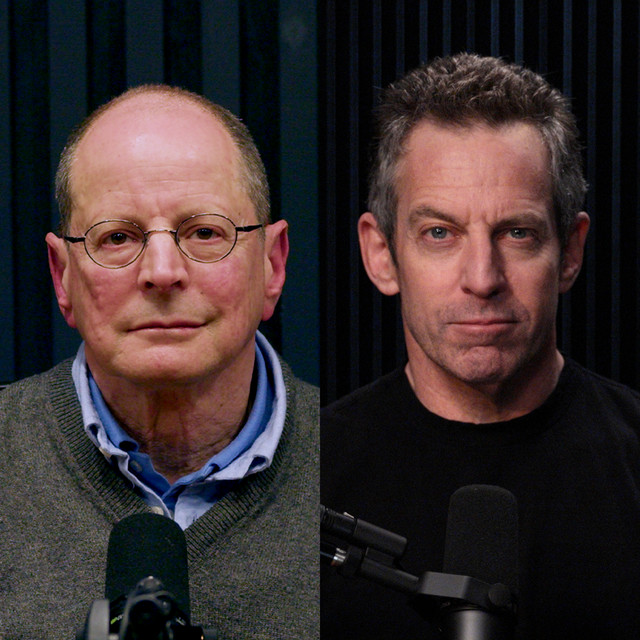
In times of societal upheaval, those on the path of often grapple with how to engage with difficult political realities while maintaining their spiritual center. A recent conversation between philosopher Sam Harris and political analyst Jonathan Rauch offers profound insights into recognizing fascistic patterns in governance—not from a place of fear or reactivity, but from the clear-eyed awareness that spiritual growth demands.
As conscious beings, we're called to see reality as it is, not as we wish it to be. This episode of "Making Sense" provides a framework for understanding authoritarian emergence through 18 distinct criteria, offering those committed to a way to engage with challenging political realities while remaining grounded in truth and compassion.
The Reluctant Recognition: When Labels Become Necessary
Jonathan Rauch's journey to labeling certain political phenomena as fascism mirrors the spiritual practice of discernment—the ability to distinguish between truth and illusion. Initially resistant to using such a charged term, Rauch explains his transformation:
"But over the course of the last year, and specifically over the course of the past few weeks and couple of months, we saw the emergence of so many properties that are associated with fascism that to me it became perverse to withhold the label."
This reluctant recognition teaches us about the spiritual courage required to name difficult truths. In our , we learn that avoiding uncomfortable realities only perpetuates suffering. Rauch's methodical approach—identifying 18 distinct fascistic characteristics—demonstrates the same systematic awareness that meditation practitioners develop when observing mental patterns.
Patrimonialism: When Personal and Political Boundaries Dissolve
One of the most significant patterns discussed is patrimonialism—the treatment of state resources and institutions as personal property. From a consciousness perspective, this represents a fundamental confusion between self and other, a collapse of healthy boundaries that spiritual traditions have long recognized as dangerous.
In patrimonial systems, leaders cannot distinguish between their personal interests and the collective good. This mirrors what spiritual teachers call "ego inflation"—when the personal self believes it is the ultimate authority. The conversation reveals how this mindset has manifested in American politics, where state power becomes an extension of personal will rather than service to the collective.
The Spiritual Significance of Boundaries
Healthy spiritual development requires clear boundaries—between self and other, personal desire and collective need, power and service. When these boundaries collapse in governance, we witness the emergence of authoritarian patterns that practitioners recognize as projections of unintegrated psychological material onto the collective sphere.
The 18 Criteria: A Framework for Conscious Recognition
While the transcript provides limited detail, Rauch's systematic identification of 18 fascistic characteristics offers conscious individuals a framework for discernment. This methodical approach mirrors the Buddhist practice of "right view"—seeing reality clearly without the distortion of wishful thinking or denial.
Some key patterns that emerge from such analysis typically include:
- The glorification of state violence as a solution to complex problems
- "Might is right" foreign policy that abandons diplomatic wisdom
- Politicization of law enforcement for personal or partisan gain
- Blood and soil nationalism that creates artificial divisions between people
- The complicity of wealthy elites who prioritize personal gain over collective wellbeing
Conscious Response vs. Reactive Opposition
For those committed to , recognizing these patterns isn't about generating more anger or fear—emotions that only perpetuate the very consciousness that creates authoritarianism. Instead, clear seeing enables skillful action rooted in compassion and wisdom rather than reaction.
The Influence of Carl Schmitt: Understanding Exception Politics
The discussion touches on the influence of Carl Schmitt, the controversial German legal theorist whose ideas about sovereignty and the "state of exception" have influenced authoritarian thinking. Schmitt's famous assertion that "sovereign is he who decides on the exception" reveals a consciousness that places personal will above universal principles.
From a spiritual perspective, this represents the ego's desire to be exempt from the natural laws that govern all beings. True spiritual authority, by contrast, comes from alignment with universal principles rather than the power to override them.
American Institutional Resilience: The Power of Collective Consciousness
Despite identifying fascistic patterns, the conversation also addresses the resilience of American institutions. This resilience can be understood through the lens of —the accumulated wisdom and commitment of millions of individuals who have worked to embody democratic values.
Institutions are not merely legal structures; they are crystallized forms of collective intention and shared values. Their strength comes not from their formal properties but from the consciousness of the people who animate them. This is why spiritual practitioners' commitment to truth, compassion, and service becomes politically relevant—it strengthens the collective field that supports democratic governance.
The Role of Individual Consciousness in Collective Healing
Every individual who commits to contributes to the collective field that supports healthy governance. When we heal our own authoritarian tendencies—the inner fascist that wants to control others rather than serve them—we weaken the collective patterns that manifest as political authoritarianism.
Practical Guidance for Conscious Engagement
How do we engage with these challenging political realities while maintaining our spiritual center? The conversation offers several implicit guidelines:
1. Cultivate Clear Seeing
Like Rauch's methodical analysis, develop the ability to see patterns clearly without the distortion of wishful thinking or partisan bias. This requires the same quality of attention cultivated in .
2. Name Truth Courageously
When we clearly see destructive patterns, spiritual integrity requires that we name them. This doesn't mean being inflammatory, but rather speaking truth with the same courage that authentic spiritual teachers have always demonstrated.
3. Respond from Wisdom, Not Reactivity
Recognition of fascistic patterns can trigger fear, anger, or despair. Conscious engagement means feeling these emotions without being driven by them, responding instead from the deeper wisdom that comes through .
4. Strengthen Democratic Consciousness
Support democratic institutions not just through political action but through embodying democratic consciousness—listening deeply, seeking understanding across differences, and serving the collective good rather than narrow self-interest.
The Spiritual Opportunity in Political Crisis
Crisis often catalyzes spiritual growth by forcing us to examine what we truly value. The emergence of authoritarian patterns in democratic societies creates an opportunity for those committed to to clarify their values and strengthen their practice.
This moment calls us to embody the very qualities that healthy democracy requires: the ability to hold complexity, to listen across differences, to serve something larger than our personal preferences, and to respond to fear with love rather than more fear.
Conclusion: From Recognition to Conscious Action
The conversation between Harris and Rauch offers more than political analysis—it provides a template for how conscious individuals can engage with difficult realities without losing their spiritual center. By developing the capacity to see clearly, name truth courageously, and respond wisely, we contribute to the collective healing that our world desperately needs.
The recognition of fascistic patterns in governance isn't cause for despair but for deeper commitment to the that create healthy human communities. Every moment of clear seeing, every choice to respond from love rather than fear, every act of service to the collective good strengthens the field of consciousness that supports democratic flourishing.
As we navigate these challenging times, let us remember that our individual consciousness is not separate from the collective patterns we see in politics. By committing to our own healing and awakening, we participate in the larger healing that our world requires.
Ready to deepen your conscious engagement with the world? Explore our and where like-minded individuals come together to cultivate the awareness and skills needed to be agents of positive change in challenging times.
Key Takeaways
- Clear discernment requires seeing political realities without wishful thinking or denial, much like spiritual practice demands honest self-examination
- Patrimonialism represents the collapse of healthy boundaries between personal and collective interests, mirroring ego inflation in spiritual development
- The 18 criteria of fascism provide a framework for conscious recognition of authoritarian patterns without reactive fear or anger
- Individual consciousness directly impacts collective political health—healing our inner authoritarian tendencies weakens collective authoritarianism
- Institutional resilience depends on the accumulated consciousness of individuals committed to democratic values
- Crisis creates opportunities for spiritual growth by clarifying values and strengthening practice
- Conscious political engagement means responding from wisdom and compassion rather than reactivity and fear
Frequently Asked Questions
How can spiritual practitioners engage with difficult political realities without losing their center?
Maintain your spiritual center by practicing clear seeing without emotional reactivity, naming truth courageously but compassionately, and responding from wisdom rather than fear. Remember that your individual consciousness contributes to collective healing.
What is the spiritual significance of recognizing fascistic patterns in governance?
Recognition serves as spiritual practice of discernment—seeing reality clearly rather than avoiding uncomfortable truths. It also helps us understand how unhealed consciousness patterns manifest collectively, inspiring deeper personal work.
How does patrimonialism relate to spiritual development?
Patrimonialism represents the collapse of healthy boundaries between self and other, similar to ego inflation in spiritual contexts. It shows what happens when leaders cannot distinguish between personal desires and collective service.
Can meditation and spiritual practice really impact political situations?
Yes, because individual consciousness contributes to collective consciousness fields that influence political realities. Healing our own authoritarian tendencies weakens collective patterns that support political authoritarianism.
What role does fear play in recognizing and responding to authoritarianism?
Fear can motivate recognition but shouldn't drive response. Conscious engagement means feeling fear without being controlled by it, instead responding from the deeper wisdom cultivated through spiritual practice.
How do we balance spiritual non-attachment with necessary political engagement?
True non-attachment doesn't mean disengagement but rather engaging without being driven by personal agendas or reactive emotions. Serve collective wellbeing while remaining centered in spiritual truth.
What can conscious communities do to support democratic resilience?
Embody democratic consciousness by practicing deep listening, seeking understanding across differences, making decisions through collective wisdom, and prioritizing service over self-interest in community governance.