EveryEvent Barcelona

Sfoglia tutti i Events

Find every event in Barcelona

events

Concerts & Live Music
Festivals
Sports & Recreation
Food & Drink
Arts & Culture
Community
Family & Kids
Nightlife
Comedy
Theater
Destinazioni popolari
BaliSedonaLos AngelesCosta RicaNew YorkSan FranciscoAustinMiamiJoshua TreeTulum
Vedi tutte le categorieVedi tutte le destinazioni

Esplora tutte le funzionalità

Strumenti potenti per far crescere i tuoi eventi

Funzionalità della piattaforma

Prezzi dinamici intelligenti
Categorie di biglietti
Posti assegnati
Recupero carrelli abbandonati
Recupero visitatori
Donazioni e prezzi variabili
Sistema affiliati
Scanner biglietti
Codici sconto
Domande personalizzate
Condivisione biglietti
Upsell e componenti aggiuntivi
Analisi e report
Sequenze email
Lista d'attesa / Notifica / Promemoria
Esplora
Discovery HubArtists & PerformersVenuesKnowledge Base
Vedi tutte le funzionalitàChi siamo
PrezziBlog
Language
Saved events
Sfoglia tutti gli eventi

events

Concerts & Live MusicFestivalsSports & RecreationFood & DrinkArts & CultureCommunityFamily & KidsNightlife

Destinazioni popolari

BaliSedonaLos AngelesCosta RicaNew YorkSan Francisco

Esplora

Discovery HubArtists & PerformersVenuesKnowledge Base

Funzionalità della piattaforma

Prezzi dinamici intelligentiCategorie di bigliettiPosti assegnatiRecupero carrelli abbandonatiRecupero visitatoriDonazioni e prezzi variabiliSistema affiliatiScanner bigliettiCodici scontoDomande personalizzateCondivisione bigliettiUpsell e componenti aggiuntiviAnalisi e reportSequenze emailLista d'attesa / Notifica / Promemoria
Vedi tutte le funzionalitàChi siamo
PrezziBlog
AccediRegistratiOrganizzatori di eventi
  • Browse All Events
  • Concerts & Live Music
  • Festivals
  • Sports & Recreation
  • Food & Drink
  • Arts & Culture
  • Community
  • Family & Kids
  • Nightlife
  • Tutte le categorie →
  • All Destinations →
  • For Promoters
  • For Artists
  • For Venues
  • For Festivals
  • For Event Spaces
  • For Nonprofits
  • For Bloggers
  • For Speakers
  • Brand Ambassador
  • Case Studies
  • Rete di 350K+ acquirenti
  • Recupero carrelli abbandonati
  • Prezzi dinamici intelligenti
  • Categorie di biglietti
  • Eventi ricorrenti
  • Posti assegnati
  • Sistema affiliati
  • Lista d'attesa / Notifica
  • Scanner biglietti
  • Widget incorporabile
  • Distribuzione eventi
  • Centro messaggi
  • Integrazioni
  • Report
  • Tutte le funzionalità →
  • Chi siamo
  • L’ecosistema
  • Blog
  • Glossario
  • Ispirazione
  • Centro assistenza
  • Contatti
  • Documentazione API
  • Risorse del brand
  • Carriere
  • Stampa
  • Termini di servizio
  • Informativa sulla privacy

Events

  • Browse All Events
  • Concerts & Live Music
  • Festivals
  • Sports & Recreation
  • Food & Drink
  • Arts & Culture
  • Community
  • Family & Kids
  • Nightlife
  • Tutte le categorie →

Getaways

  • All Destinations →

For Organizers

  • For Promoters
  • For Artists
  • For Venues
  • For Festivals
  • For Event Spaces
  • For Nonprofits
  • For Bloggers
  • For Speakers
  • Brand Ambassador
  • Case Studies

Funzionalità

  • Rete di 350K+ acquirenti
  • Recupero carrelli abbandonati
  • Prezzi dinamici intelligenti
  • Categorie di biglietti
  • Eventi ricorrenti
  • Posti assegnati
  • Sistema affiliati
  • Lista d'attesa / Notifica
  • Scanner biglietti
  • Widget incorporabile
  • Distribuzione eventi
  • Centro messaggi
  • Integrazioni
  • Report
  • Tutte le funzionalità →

Azienda

  • Chi siamo
  • L’ecosistema
  • Blog
  • Glossario
  • Ispirazione
  • Centro assistenza
  • Contatti
  • Documentazione API
  • Risorse del brand
  • Carriere
  • Stampa
  • Termini di servizio
  • Informativa sulla privacy
EveryEvent
© 2026 EveryEvent Barcelona. Tutti i diritti riservati.
Inspiration

Linga Discovery at Rumi'sMausoleum in Turkey

Sadhguru
Sadhguru
Apr 19, 2019
6 min di lettura

During a visit to Rumi's Mausoleum in Konya, Turkey—one of Sufism's most sacred sites—Sadhguru discovers an ancient linga in the garden. The encounter illuminates unexpected spiritual connections between Eastern yogic traditions and Western Islamic mysticism, suggesting that spiritual seekers across cultures have long engaged with similar symbols and inner technologies.

Lettura · 6 sezioni

What Is the Significance of Finding a Linga in a Sufi Sacred Space?

The discovery of a linga at Rumi's Mausoleum is not merely an archaeological curiosity—it points to deeper cross-cultural spiritual exchanges that shaped mystical traditions across continents. A linga is a sacred symbol in Hindu and yogic traditions, representing the formless dimension of existence and often serving as an object of meditation. Its presence at one of the world's most important Sufi pilgrimage sites—the tomb of the 13th-century poet and mystic Jalal ad-Din Rumi in Konya, Turkey—suggests that spiritual seekers from different traditions recognized shared truths about consciousness and the sacred.

This discovery challenges the assumption that Eastern and Western mysticism developed in complete isolation. The presence of the linga in Rumi's garden indicates that spiritual symbols traveled along trade routes and pilgrimage paths, and that practitioners of different faiths encountered one another's tools for inner work. Rather than viewing Sufism and yoga as separate lineages, this finding suggests they represent different cultural expressions of fundamental spiritual knowledge.

How Do Sufi and Yogic Traditions Address Spiritual Realization?

Both Sufism and yoga, despite their different cultural origins and theological frameworks, share a common purpose: the direct experience of the sacred. In yoga, the linga serves as a focal point for meditation—a symbol that helps the mind move beyond conceptual thinking toward direct perception. Similarly, Sufi practitioners use various forms of dhikr (remembrance), whirling, poetry, and sacred geometry to transcend the ordinary mind and access deeper states of consciousness.

The presence of a linga at Rumi's tomb suggests that the Sufi saint may have appreciated or learned from yogic approaches to spiritual practice. Rumi's poetry is filled with imagery of intoxication, dissolution of the self, and union with the divine—themes central to non-dual yoga philosophy. His famous line "Out beyond ideas of wrongdoing and rightdoing, there is a field—I'll meet you there" reflects the kind of transcendence that yoga seeks: moving beyond the mind's dualistic categories into direct experience.

What Does the Linga Represent as a Spiritual Symbol?

The linga is often misunderstood in the West as a phallic symbol, but it is far more subtle in its meaning. In yogic tradition, the linga represents the equilibrium point between all opposites—the still center from which creation emerges and into which it dissolves. It is an object of meditation because its simple form—a smooth, oval stone or symbol—allows the mind to rest in stillness rather than becoming caught in conceptual complexity.

As a focus for worship and meditation, the linga functions as what might be called a "technology of consciousness." It provides a physical anchor for inner work, allowing practitioners to gather and stabilize their attention. The presence of a linga in the garden of Rumi's Mausoleum indicates that spiritual directors across traditions recognized the value of such tools. Rather than relying solely on intellectual understanding or devotional emotion, both yogic and Sufi practitioners understand that the body, the senses, and physical sacred objects can all serve as gateways to deeper realization.

Why Would a Sufi Saint's Space Include Eastern Spiritual Symbols?

The historical context makes this discovery less surprising than it might initially seem. Rumi lived from 1207 to 1273, during a period of significant cultural exchange between East and West. The Crusades, Silk Road trade, and the movement of scholars, merchants, and wandering ascetics created opportunities for spiritual traditions to cross-pollinate. Sufi orders were known to incorporate ideas and practices from various sources, including Buddhism, Hindu philosophy, and indigenous spiritualities, all in service of deepening their connection to the divine.

Rumi's own spiritual teacher, Shams of Tabriz, represented the wandering mystic archetype—a figure who embodied ecstatic states and spiritual intoxication similar to what yogic traditions describe. The relationship between Rumi and Shams was transformative, reportedly dissolving the boundaries between teacher and student in a way that resonates with non-dual yoga philosophy. It is plausible that within such a lineage, practitioners would have been open to learning from and incorporating symbols and practices from other traditions.

The linga's presence also suggests a kind of spiritual pragmatism. If a particular object or practice facilitates realization, then a serious seeker would use it, regardless of its cultural origin. This approach reflects what Sadhguru often emphasizes: that spiritual truth is universal, and different cultures have developed different technologies to access the same fundamental reality of consciousness.

What Can Modern Spiritual Seekers Learn From This Cross-Cultural Discovery?

The linga at Rumi's Mausoleum offers contemporary practitioners several insights. First, it demonstrates that authentic spiritual seeking has always transcended religious and cultural boundaries. Rumi is claimed by Muslims, Sufis, poets, and philosophers, yet his spiritual search was so genuine that it incorporated tools and wisdom from other traditions. This suggests that a mature practitioner does not cling to sectarian identity but uses whatever methods actually work.

Second, the discovery highlights the importance of direct experience over belief systems. Both yoga and Sufism place ultimate value on inner realization—on knowing the divine directly rather than merely having correct theological beliefs. The presence of a linga at a Sufi shrine indicates that this principle was respected across traditions. A serious seeker in any tradition would recognize that meditation, contemplative practice, and the use of sacred objects are means to this direct knowing.

Third, this encounter suggests that spiritual symbols carry power across cultural contexts. While a linga is native to Hindu and yogic traditions, its presence at Rumi's tomb suggests that its capacity to focus the mind and facilitate meditation transcends its cultural origins. This has implications for modern practitioners who might draw on practices and symbols from traditions other than their own—what matters is whether the tool actually facilitates transformation.

Where to Go From Here

The discovery of a linga at Rumi's Mausoleum invites deeper investigation into the hidden connections between spiritual traditions. Readers interested in exploring this further might study the history of Sufi-Hindu encounters, particularly during the medieval period when trade and pilgrimage routes facilitated such exchanges. Examining Rumi's own poetry through the lens of non-dual philosophy, particularly yoga Vedanta, reveals striking parallels in how both traditions describe the dissolution of ego and union with transcendent reality.

Those drawn to contemplative practice might explore how different traditions use physical objects, symbols, and rituals to facilitate inner transformation. Whether through a linga, a Sufi shrine, a mandala, or any other sacred focus, the underlying principle is the same: providing the mind with a resting point that helps it move beyond its usual patterns into deeper states of awareness. Understanding this principle allows practitioners to work skillfully with whatever tools resonate with their own being, drawing wisdom from the full spectrum of human spiritual experience.
Sadhguru
AutoreSadhguru

Indian yogi, mystic, and founder of the Isha Foundation. Through his programs (Inner Engineering, Bhava Spandana, Samyama) and books, he has introduced millions worldwide to a cont…

Vedi il profiloSito web
Esplora i temi
Rumi-sufismLinga-meditationSpiritual-symbolismCross-cultural-spiritualityYoga-tradition

Hai domande?

Domande frequenti

A linga is a sacred symbol in yoga and Hindu practice representing the formless dimension of existence and the equilibrium point between all opposites. It serves as a meditation focus that helps the mind move beyond conceptual thinking into direct perception of sacred reality, functioning as a technology of consciousness rather than merely a physical object.
Rumi's Mausoleum in Konya, Turkey is the tomb of Jalal ad-Din Rumi (1207-1273), a 13th-century Persian Sufi poet and mystic who founded the Mevlevi Order. It is one of the most important pilgrimage sites in Sufism and attracts spiritual seekers from around the world who are drawn to Rumi's poetry and spiritual teachings on union with the divine.
While they developed in different cultural and religious contexts, Sufism and yoga share fundamental goals of direct spiritual realization and transcendence of the individual ego. The discovery of a linga at Rumi's tomb suggests historical cross-cultural exchange between these traditions, and both use meditation, sacred symbols, and contemplative practices to facilitate inner transformation.
During medieval times, trade routes like the Silk Road and Sufi pilgrimage networks facilitated encounters between spiritual practitioners across regions. Scholars, merchants, and wandering ascetics shared ideas, and Sufi orders were known to incorporate practices and wisdom from various traditions, including Hindu and Buddhist sources, in service of deepening spiritual realization.
Yes, authentic spiritual seekers have historically transcended sectarian boundaries and adopted practices from other traditions when they facilitate realization. Both Sufism and yoga prioritize direct experience over rigid adherence to belief systems, suggesting that what matters is whether a tool actually facilitates transformation, not its cultural origin.
The linga represents equilibrium, stillness, and the point from which all creation emerges and dissolves. It is not primarily a phallic symbol but rather a meditation focus that allows the mind to rest in simplicity and access deeper states of consciousness beyond conceptual complexity.
While direct evidence is limited, Rumi's poetry contains themes of ecstatic dissolution, union with the divine, and transcendence of the self that resonate with non-dual yoga philosophy. His relationship with his teacher Shams of Tabriz, characterized by mystical intoxication and boundary dissolution, suggests openness to spiritual practices from various sources.
The finding demonstrates that authentic spiritual seeking transcends religious boundaries and that what matters is direct experience rather than sectarian identity. It shows that sacred symbols and practices carry power across cultures and invites contemporary practitioners to draw wisely from the full spectrum of human spiritual traditions.

Continua a leggere

More from Sadhguru

Vedi Tutto
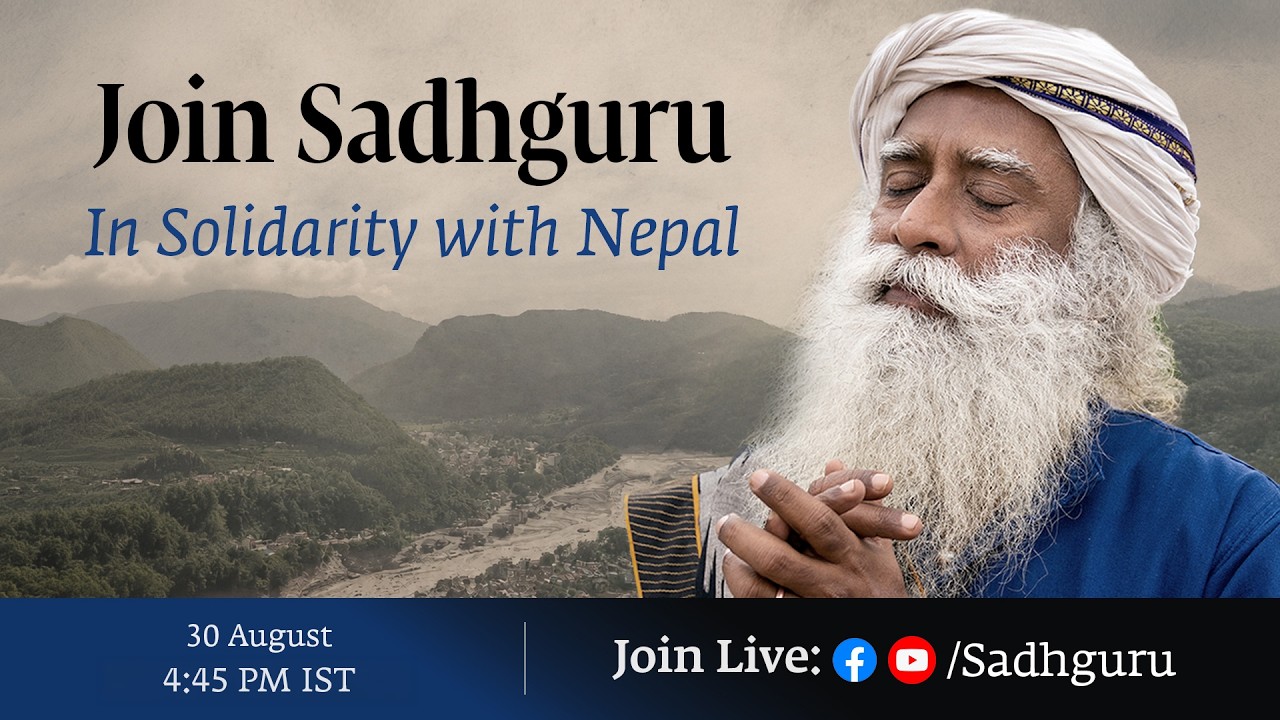
When Grief Becomes a Mirror: What the Nepal Floods Teach
Featured

When Grief Becomes a Mirror: What the Nepal Floods Teach

A flash flood on the Nepal-Tibet border devastated communities and claimed lives. This event became a moment to examine how we respond to tr…

1 min read
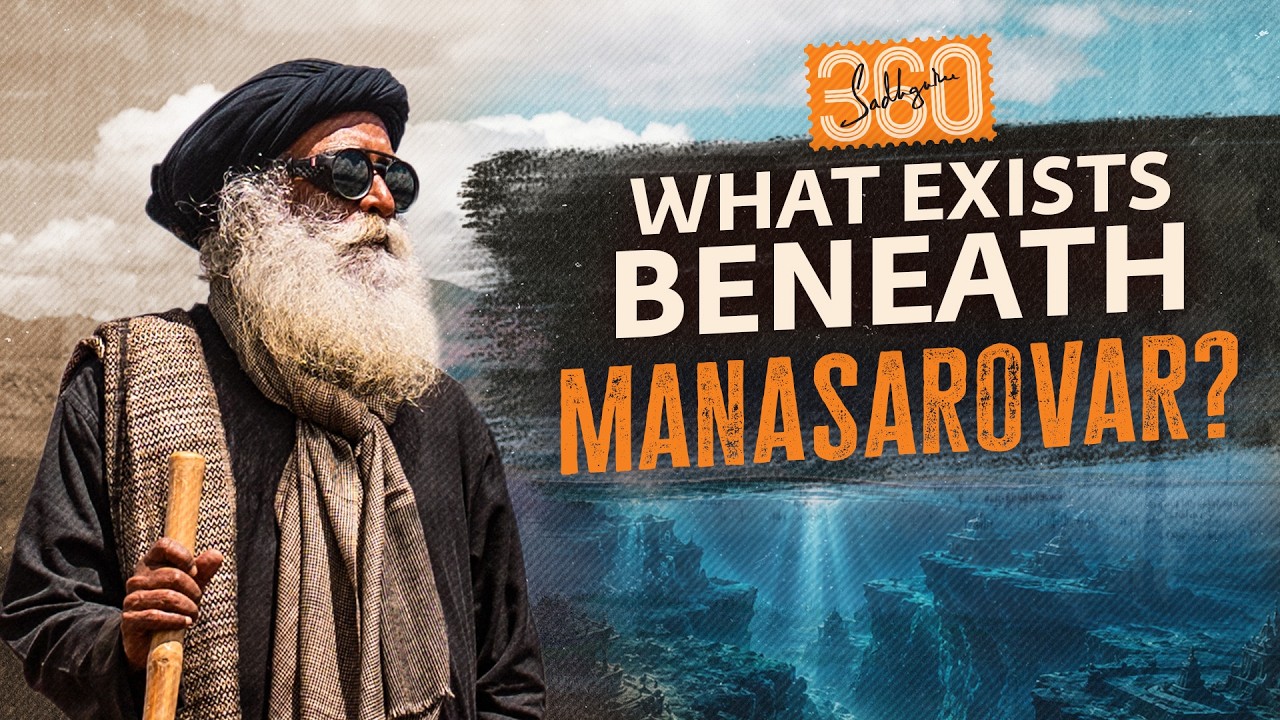
Mount Kailash's Hidden Dimensions: Mystical Phenomena Beyond Logic
Featured

Mount Kailash's Hidden Dimensions: Mystical Phenomena Beyond Logic

A 21-year pilgrimage reveals Mount Kailash and Lake Manasarovar as repositories of consciousness and extraordinary life forms defying conven…

1 min read
How Sitting Still Proves You're Already Awakening
Featured

How Sitting Still Proves You're Already Awakening

Most people can't sit quietly without discomfort, but if you can, you're already further along spiritually than you realize. Eckhart Tolle e…

1 min read
The Missing Piece: How Real Thinking Creates Real Results
Featured

The Missing Piece: How Real Thinking Creates Real Results

Most vision boards fail because people skip the actual thinking. Eckhart Tolle reveals the rhythm that unlocks insight and the two distinct …

1 min read

Continua a esplorare

Continua il tuo viaggio

Altra saggezza e altri incontri da tutta la directory BrightStar.

Altri articoli

Sfoglia l’intera raccolta di insegnamenti, interviste e guide.

Torna a tutti gli articoli →

Insegnanti e artisti

Esplora i lignaggi, i musicisti e le guide del mondo consapevole.

Esplora gli artisti →

Trova un evento

Kirtan, ritiri, sound bath, breathwork, festival: in arrivo presto.

Sfoglia gli eventi →