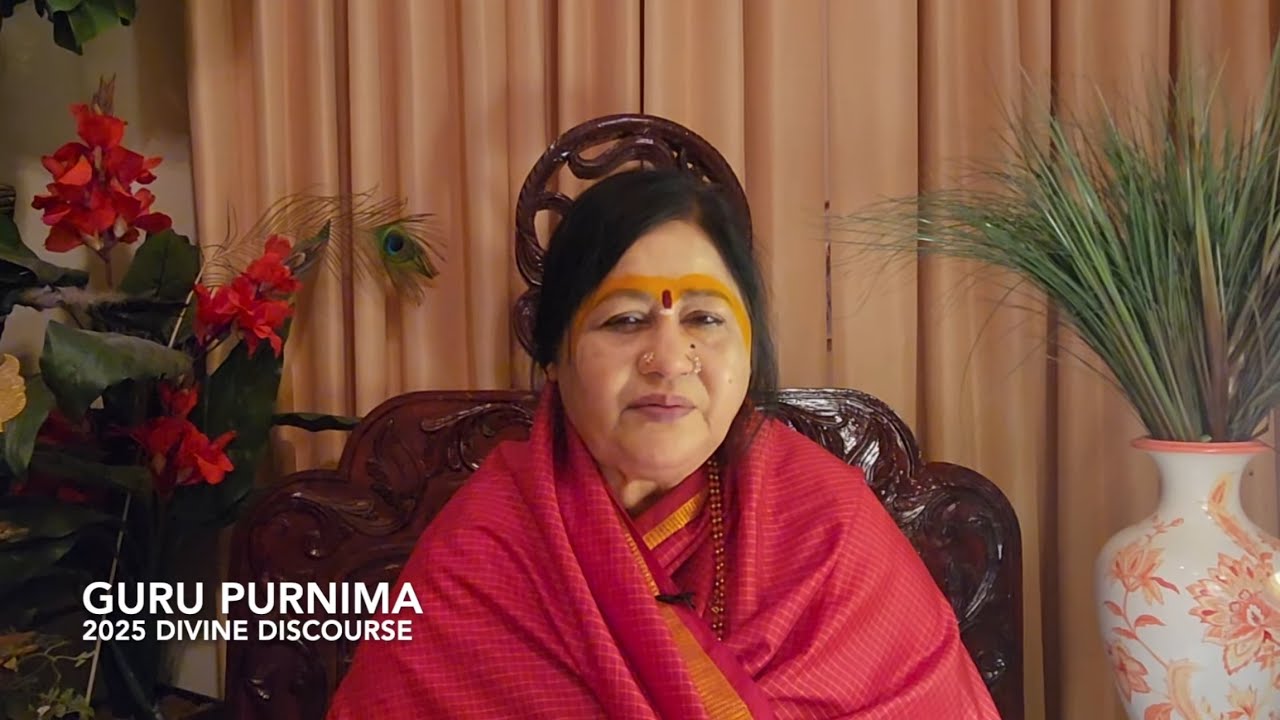
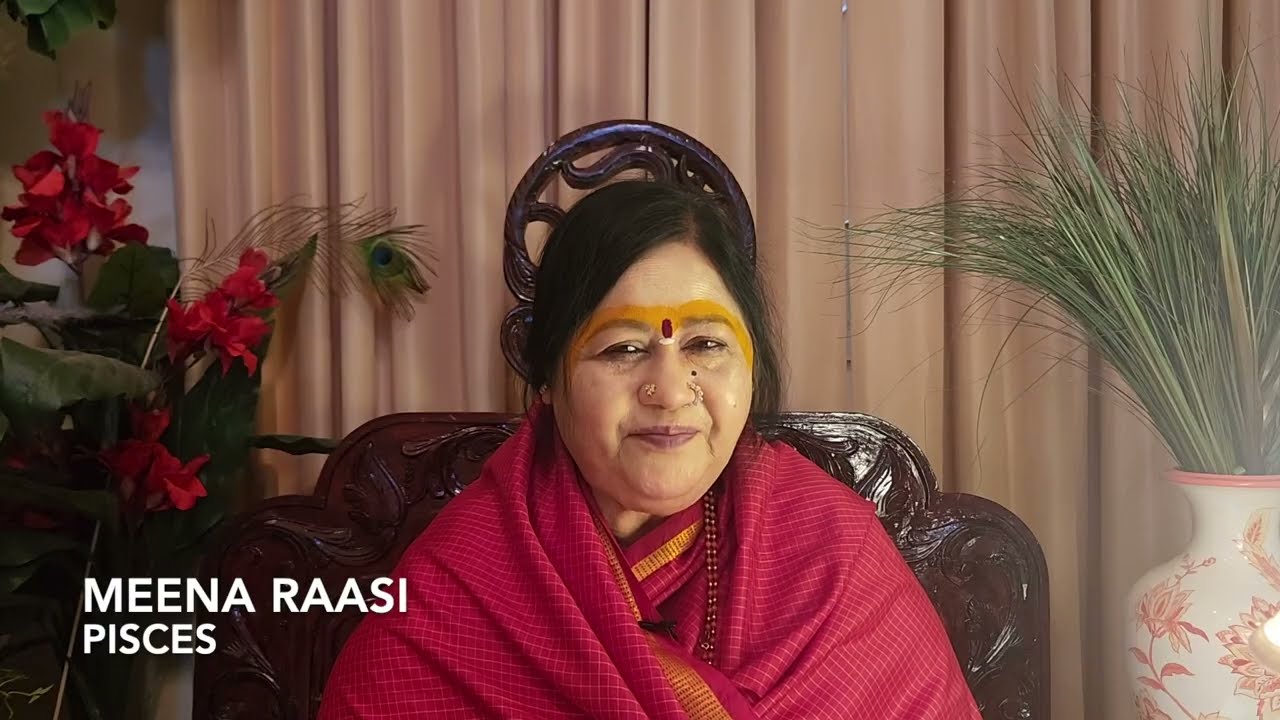
In this 8-minute devotional recording, Sri Karunamayi Amma performs Jaya Jaya Jaya Sri Lalithamba, a sacred kirtan dedicated to Sri Lalithambika Devi, the divine feminine principle in Hindu spiritual tradition. The song weaves together invocations, mantric syllables, and call-and-response chanting to create a meditative atmosphere for devotional practice and goddess worship.
Who is Lalithambika Devi?
Lalithambika, also known as Sri Lalitha, represents the supreme goddess—the divine feminine power (Shakti) in Hindu and Tantric philosophy. She is celebrated as the playful, compassionate mother of the cosmos, embodying both transcendent wisdom and nurturing grace. In the Sri Yantra tradition, Lalithambika sits at the center of the sacred geometric diagram, symbolizing the convergence of all divine power. Her worship involves not only philosophical reverence but active devotional practices (sadhana) that seekers use to access her consciousness directly.
What is the purpose of kirtan in spiritual practice?
Kirtan—the call-and-response chanting of divine names and mantras—serves multiple functions in Hinduism and yogic traditions. It is a form of bhakti (devotion) in which the singer and listener alike attune their consciousness to the frequency of divinity. Through repetition of sacred syllables and divine names, the mind naturally settles into a meditative state. The music and rhythm bypass the analytical mind, allowing direct emotional and spiritual resonance. In this recording, Sri Karunamayi Amma uses kirtan as a vehicle for invoking the presence and blessings of Lalithambika, turning the song into an act of worship rather than mere entertainment.
How does mantric syllables shape the devotional experience?
Throughout the recording, Sri Karunamayi Amma layers mantric syllables—sacred sounds believed to carry specific energetic vibrations—into the melodic structure. These are not randomly chosen; each syllable in Sanskrit carries a seed sound (bija mantra) that is said to resonate with particular chakras, deities, and states of consciousness. The repetition of these sounds in the context of Lalithambika worship is understood to attune the practitioner's inner body to the frequency of the goddess herself. The chanting creates a bridge between the human consciousness and divine consciousness, making the invisible divine tangible through sound and vibration.
The role of melody and raga in devotional music
Sri Karunamayi Amma's performance is not random vocalization—it follows the framework of Indian classical music (raga), which associates particular melodic patterns with specific times of day, seasons, and emotional-spiritual states. The choice of raga in a devotional song is deliberate; it creates the right psychological and energetic environment for the deity being invoked. The ascending and descending melodic patterns help guide the listener's attention inward, supporting the meditative quality of the practice. The musical structure itself becomes a teaching, demonstrating that devotion is not about technical perfection but about offering one's full presence and intention.
Why does repetition matter in mantra practice?
Mantra is derived from Sanskrit roots meaning "mind" (man) and "liberation" or "crossing over" (tra). Repetition of mantras and divine names is understood to work on both the conscious and unconscious mind. Through sustained repetition (japa), the mind gradually releases its hold on ordinary thought patterns and begins to align with the vibration being repeated. In the context of Lalithambika worship, each repetition of "Jaya Jaya Jaya Sri Lalithamba" (Victory, Victory, Victory to Sri Lalithamba) is an act of surrender, acknowledging the supremacy of the divine feminine and requesting her grace. The listener or practitioner who engages with this recording is invited to join in this inner repetition, making it a participatory spiritual practice rather than passive listening.
Understanding devotion as a spiritual path
In yogic and Hindu traditions, bhakti (devotion) is recognized as one of the four primary paths to liberation or self-realization (moksha). Unlike the paths of knowledge (jnana), action (karma), or meditation (raja yoga), the devotional path emphasizes the relationship between the individual soul (jivatman) and the divine (Paramatman). Devotion is characterized by love, surrender, and recognition of one's fundamental dependency on divine grace. By singing and listening to kirtan like this one, devotees are not asking for material rewards; they are cultivating an inner orientation toward the divine, gradually dissolving the ego's sense of separation. The recording becomes a mirror reflecting back the devotee's own capacity for love and reverence.
The significance of the goddess in Hindu spirituality
While many Western listeners may be familiar with male deities in Hinduism, the goddess principle (Shakti) is equally central. In fact, Hindu philosophy teaches that without Shakti, even the supreme masculine principle (Shiva) would be inert and powerless. Lalithambika specifically represents the active, creative, compassionate dimension of the divine. She is not subordinate to any male deity but rather the power through which all existence manifests. Worship of Lalithambika, therefore, is not a secondary practice but a direct engagement with the generative and nurturing source of all being. By singing her praises, Sri Karunamayi Amma affirms the centrality of the feminine principle in spiritual realization.
How to engage with this recording as spiritual practice
This recording can be used in multiple ways depending on the listener's intention and tradition. Some may simply listen as a form of relaxation and emotional uplift. Others may use it as background to their own meditation or yoga practice. Still others may chant along, either silently (manasika japa) or aloud, turning the listening into active worship. The key is to approach the recording with some degree of reverence and open-heartedness. Unlike background music, kirtan is most effective when the listener allows themselves to be affected by it, letting the repetitive structure and melodic beauty work on the nervous system and consciousness. If you are new to Sanskrit pronunciation, don't worry about perfect accuracy; the intention and sincerity matter far more than flawless articulation.
Where to go from here
If this recording resonates with you, consider exploring other devotional songs to Lalithambika or other deities. Many traditions have rich libraries of kirtan; some are available in recorded form, others are meant to be learned orally from a teacher or lineage. If you are interested in deeper engagement with Lalithambika worship, look into the Sri Yantra meditation practice or texts like the Lalita Sahasranama (the "Thousand Names of Lalita"), which offers a more intellectual and poetic framework for understanding the goddess. You might also seek out a qualified guru or spiritual teacher who practices in the Shakti or Tantra tradition; kirtan is often most powerful when learned and sung in community with others on the path. Most importantly, allow your engagement to be guided by genuine feeling rather than obligation—true devotion cannot be forced but only invited and nurtured through regular, sincere practice.