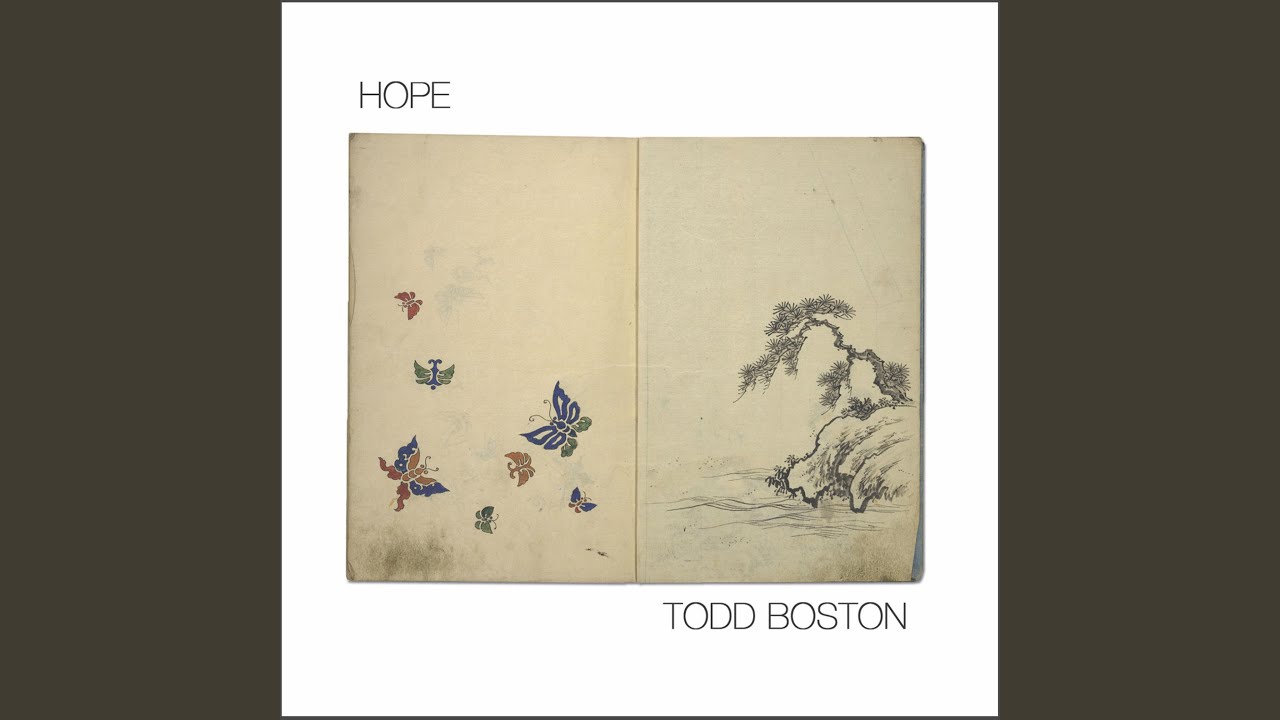
Todd Boston's "She's Home" is a musical exploration of one of the deepest human longings—the return to wholeness, belonging, and spiritual homecoming. Rather than a simple narrative about physical return, the piece invites listeners into the contemplative space where music itself becomes the path toward recognizing and inhabiting one's truest self. For those seeking to understand how sound and intention can evoke the sacred dimension of coming home to ourselves, this work offers both artistic beauty and spiritual medicine.
What Does It Mean to Be Home?
The title "She's Home" carries a profound simplicity that belies its depth. In spiritual and contemplative traditions, "home" rarely refers to a place we can locate on a map. Instead, it speaks to a state of consciousness—a return to wholeness, authenticity, and the unshakable presence of being completely, unapologetically oneself. The use of the feminine pronoun invites us to consider the sacred feminine as a principle of return, receptivity, and belonging. It acknowledges that coming home is not about arrival at a destination but about recognition: discovering what was always present beneath the noise of seeking.
Todd Boston, working as a solo artist and composer, crafts musical works that exist at the intersection of personal expression and universal longing. "She's Home" functions as both a song and a meditation—a piece of music designed not merely to be heard but to be inhabited, to create a container within which listeners might touch their own sense of homecoming.
Music as a Vessel for Spiritual Return
In many wisdom traditions, sound is understood not as mere entertainment but as a healing and transformative force. Kirtan, mantric singing, sacred music across cultures—these practices recognize that music vibrates at frequencies that move beyond the thinking mind. When composed with intention, music can activate recognition within the listener: a remembering of wholeness, a softening into acceptance, a homecoming to the self that has never actually left.
Boston's approach suggests that the artist's role is to create a resonant field—a musical space where listeners can access their own deepest knowing. The specificity of the title "She's Home" indicates this is not abstract philosophy but a lived, felt experience made tangible through sound. The music becomes a mirror: listeners recognize in it their own journey toward belonging, their own path back to presence.
The Longing That Drives the Journey Home
Spiritual teachers across traditions speak of homesickness—not for a place, but for authenticity, for unconditional presence, for the undivided self. This longing is not pathological; it is the soul's compass pointing toward its true nature. Many of us spend years, even lifetimes, running from home while simultaneously seeking it everywhere—in achievements, relationships, acquisitions, approval. The paradox is that home was never lost; we only forgot to inhabit it.
Music like "She's Home" serves as a reminder. It whispers: you are already here. You are already enough. The journey inward is not about acquiring something new but about releasing what obscures the recognition of what was always present. This is why contemplative music can feel so nourishing even when we cannot articulate exactly why—it touches something that knows it is true before the thinking mind has a chance to doubt.
The Sacred Feminine and Coming Home
The gendering of the homecoming as feminine is intentional. In many spiritual traditions, the masculine principle represents outward movement, seeking, questioning, differentiation. The feminine principle embodies return, integration, receptivity, wholeness. When "she" comes home, there is a re-integration of what was fragmented. The journey is complete not because we have conquered new territory but because we have returned to ourselves with renewed recognition and gratitude.
This homecoming of the feminine also speaks to a cultural and spiritual reclamation. In many societies, the creative, intuitive, embodied, receptive capacities have been devalued in favor of linear achievement and conquest. "She's Home" invites a different value system: one where arrival means integration, where home is a state of authentic presence, where return is victory not because we have defeated an enemy but because we have stopped running.
How Sound Facilitates Recognition and Belonging
There is a reason that spiritual practices worldwide employ music and chanting. Sound has the capacity to bypass the analytical mind and access the body's somatic intelligence and the heart's knowing. When we hear music composed with spiritual intention, our nervous system recognizes something it resonates with—a frequency that feels like truth, like belonging, like remembering.
Boston's work, even at just over four minutes in length, creates a concentrated field of this recognition. The economy of form—the brevity of the piece—may itself be significant. In a world of excess and noise, the ability to distill profound meaning into a simple, unadorned statement is rare. "She's Home" invites us to sit with what is essential, to find the sacred in simplicity, to let a few notes and a clear intention do what elaborate production cannot.
Integration: Living the Homecoming
The insight that home is not a destination but a return to presence is intellectually simple but practically challenging. We live in systems and cultures designed to keep us seeking, striving, measuring ourselves against external standards. To come home is, in some sense, to opt out of that logic. It means valuing presence over productivity, authenticity over appearance, being over becoming.
Music that invokes this homecoming—that creates a resonant field where it becomes possible to feel "at home"—serves an essential function in our time. It is a counterbalance to the relentless outward pressure, a gentle insistence that what we seek is already here, waiting only for our recognition and return.
Where to Go From Here
If "She's Home" resonates with you, consider exploring it not as background music but as a contemplative practice. Listen with the intention of recognizing where home lives within you. Notice what arises—memories, sensations, emotions—without trying to change or improve upon them. Sit with the simplicity of the piece and allow it to work on you over time. Many spiritual traditions teach that repeated listening to sacred music deepens its effects; each encounter can peel back another layer of resistance to coming home.
You might also explore other work by Todd Boston and others who compose at the intersection of music and spirituality. Investigate the role of music in your own life: when do you feel most at home? What sounds make you feel like you're returning to yourself? The question "She's Home?" becomes personal: Are you home? What would it take to come home to yourself?